Verifiable Batch Consistency — Every shipment of Elamipretide SS31 CAS 736992-21-5 includes a batch-specific certificate naming the exact HPLC and MS methods used, ensuring your QC laboratory can replicate the stated purity upon receipt.
Product Specification
| Parameter |
Value |
| Chemical Identity |
Elamipretide (SS31), CAS 736992-21-5 |
| Product Type |
Peptide Raw Material |
| Appearance |
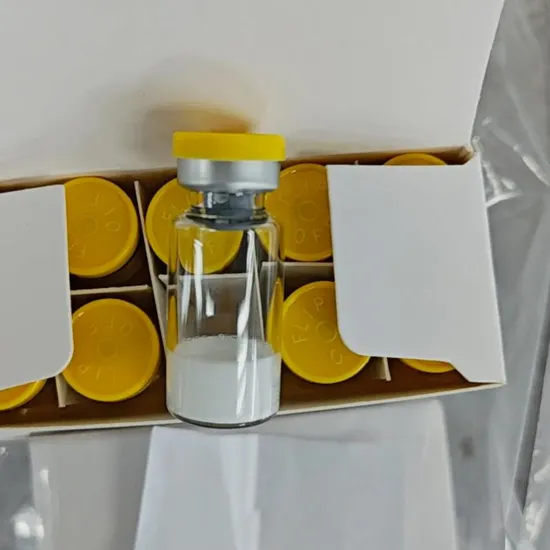
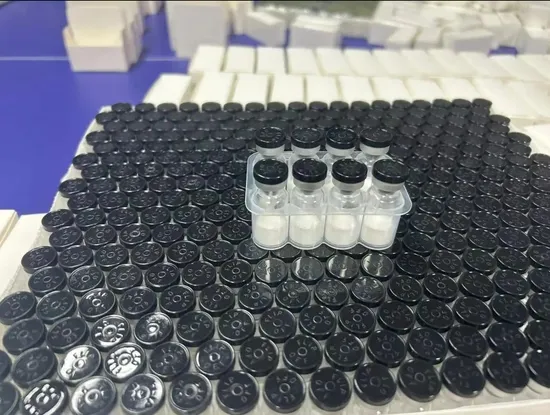
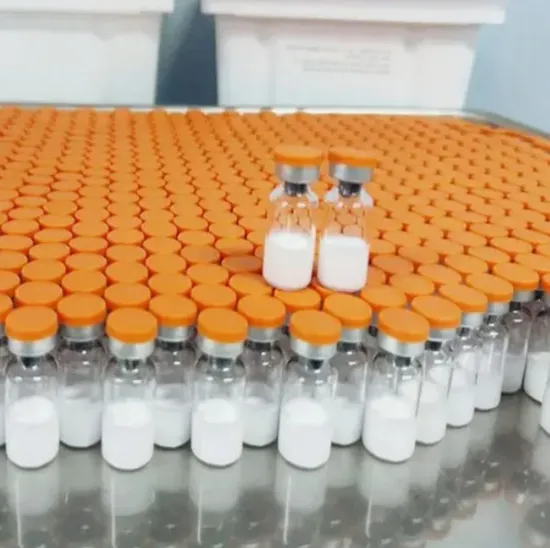
White lyophilized powder |
| Purity |
>99% (method to be confirmed on CoA) |
| Form |
Lyophilized Powder |
| Grade |
Research Peptide |
| Packaging Options |
5mg, 10mg, 15mg containers |
| Storage Temperature |
-20°C, sealed, light-protected |
| Shelf Life |
24 months from manufacturing date at -20°C (unopened) |
| Reconstituted Stability |
~1 month at 4°C, ~6 months at -20°C |
| Freeze-Thaw Limit |
Aliquot to avoid repeated freeze-thaw cycles |
| HS Code |
29371290 |
| Quality Standards |
GMP, ISO 9001, USP, EP |
Intended Use
| Use Category |
Notes |
| Laboratory research input |
Supplied as lyophilized powder for in vitro assay preparation |
| Analytical reference |
Suitable for peptide characterization method development |
| Mitochondrial membrane interaction studies |
Applicable in in vitro cellular model research |
| Cellular bioenergetics research tool |
For stress response and bioenergetics studies in laboratory settings |
Supplied as a raw material for research and manufacturing use. Not for human or veterinary use. Not a finished product.
When Your Lab’s Re-Test Disagrees With the Supplier CoA
A Certificate of Analysis without named analytical methods leaves your QC team unable to validate identity or confirm specification compliance for Elamipretide SS31 CAS 736992-21-5 purity HPLC analytical verification.
I have seen peptide batches of this class arrive with documentation that simply states a purity percentage without disclosing the HPLC column, gradient, or detection wavelength. The buyer’s laboratory re-tests using a different method, and the results diverge—sometimes significantly. What follows is weeks of back-and-forth correspondence, disputed batch acceptance, and delayed research timelines. [NEED_CITE: HPLC method validation requirements per ICH guidelines] The root cause is rarely the material itself; it is the absence of method transparency on the CoA, which prevents the receiving QC lab from aligning their analytical conditions with those used during release testing.

Method Transparency as the Foundation of Analytical Verification
At peptideiso.com, the emphasis is always on how the stated specification was established. For Elamipretide SS31 CAS 736992-21-5, this means the CoA does not merely present a final purity number. It names the HPLC method, specifies the mass spectrometry technique used for identity confirmation, and provides sufficient chromatographic detail so that a receiving laboratory can reproduce equivalent conditions. When your QC manager reviews the documentation, they should find no ambiguity about which analytical approach generated each reported value.
Batch Traceability That Supports Longitudinal Research
Research programs often span months or years, requiring material from multiple production lots. Batch records for this material are retained for five years, and historical CoA data is available upon request. This allows procurement teams and laboratory managers to compare specifications across lots before ordering, ensuring that analytical profiles remain consistent throughout a study’s duration. [NEED_CITE: batch record retention practices for research-grade peptide materials] Retained samples from each production lot are held in controlled storage, providing a physical reference if re-testing or specification comparison becomes necessary at any point.
How Specification Parameters Influence Downstream Laboratory Work
The storage requirement of -20°C in sealed, light-protected containers is not arbitrary. Lyophilized peptides are hygroscopic, and moisture uptake upon exposure accelerates degradation pathways that alter the analytical profile over time. The stated purity is verified by HPLC against the batch certificate, but if the receiving laboratory does not replicate the exact gradient and column chemistry, their chromatogram may resolve impurities differently, producing a result that appears inconsistent. Water content and residual solvent levels, when documented, explain minor discrepancies in net peptide content versus gross weight. The 24-month shelf life at -20°C applies only to unopened containers; once reconstituted, stability windows narrow to approximately one month at 4°C or six months at -20°C, making aliquoting essential. [NEED_CITE: stability considerations for lyophilized peptide reconstitution] Endotoxin control consistent with GMP standards prevents interference in sensitive in vitro cell culture assays where even trace contamination could confound experimental readouts.
The Hidden Cost of Incomplete Documentation at Customs and in the Lab
A Certificate of Analysis whose batch number does not match the label on the container is grounds for shipment rejection at many institutional receiving docks. Similarly, when import documentation lacks a certificate of origin or the safety data sheet omits the correct HS code 29371290, customs authorities may hold the parcel until the discrepancy is resolved. For research groups working against grant deadlines, even a short delay at the border translates into lost experimental windows. [NEED_CITE: import documentation requirements for peptide raw materials entering European markets] Method documentation gaps create a different but equally costly problem: if the buyer’s QC team cannot align their analytical conditions with the supplier’s release method, the entire batch may sit in quarantine while a full method development exercise is undertaken.
Why Procurement Teams Source This Material Through Our Quality System
Every shipment of Elamipretide SS31 CAS 736992-21-5 carries a batch-specific certificate that names the HPLC and MS methods used for that exact lot—no generic templates, no cross-referencing from prior batches. HPLC chromatograms and mass spectrometry data are available per batch upon request, enabling independent QC cross-verification without requiring a formal deviation investigation. Specification tolerances are agreed before dispatch, so the buyer knows precisely what acceptance criteria the material will meet upon arrival. The retained sample programme with five-year batch record retention supports re-test requests and longitudinal consistency checks across repeat orders. Temperature-controlled packing with transit records ensures that the -20°C storage requirement is maintained throughout the logistics chain, and cold-chain packing records accompany each shipment. If a batch fails to meet stated purity requirements upon verified re-testing, unconditional replacement is provided.
Documentation & Traceability
- Batch-specific certificate stating the HPLC and MS methods used for this lot
- HPLC chromatograms and mass confirmation data available per batch upon request
- Retained samples held for five years supporting re-test and comparison requests
- Certificate of origin prepared per destination import requirements
- Safety data sheet reflecting correct HS code 29371290 and handling classification
- Analytical method summary enabling buyer QC laboratory to replicate release conditions
Storage, Handling & Shipping
- Store at -20°C in original sealed container, protected from light to maintain 24-month shelf life
- Aliquot reconstituted solutions to avoid freeze-thaw degradation of the white lyophilized powder
- Reconstituted material stable approximately one month at 4°C or six months at -20°C
- Shipped in temperature-controlled packaging with transit data logger for cold-chain verification
- HS code 29371290 included on all commercial invoices and customs declarations
- Import documentation prepared per destination country regulatory requirements before dispatch
Requesting a Specification-Aligned Quotation
When submitting an inquiry for Elamipretide SS31 CAS 736992-21-5, please specify the packaging quantity required (5mg, 10mg, or 15mg) and the analytical method your QC laboratory uses for purity verification. Confirm which import documents are needed for your destination market so that the documentation package can be prepared before dispatch. If you require historical CoA data from previous lots for consistency comparison, note this at the inquiry stage so that archived records can be retrieved alongside the quotation.
Frequently Asked Questions
Q: What analytical methods are used to determine the stated purity of Elamipretide SS31?
A: The Certificate of Analysis names the specific HPLC method used for purity determination and the mass spectrometry technique applied for identity confirmation. The exact column chemistry, gradient conditions, and detection parameters are documented so your QC laboratory can replicate the analytical environment. If your internal method differs, we provide sufficient detail to support method alignment or cross-validation.
Q: How does the Certificate of Analysis correspond to the specific batch received?
A: Each CoA carries the exact lot number matching the container label. The analytical data, including HPLC chromatograms and MS confirmation, are generated from that specific production batch—not from a representative or historical lot. Retained samples from the same batch are held for five years, enabling re-testing if any specification question arises after delivery.
Q: What support is available if my QC laboratory’s re-test results differ from the supplier CoA?
A: We first compare your laboratory’s analytical method against the release method documented on the CoA to identify any divergence in column, gradient, or detection conditions. If method alignment does not resolve the discrepancy, we test a retained sample from the same batch and share the resulting chromatograms. Should the batch genuinely fall outside the agreed specification, unconditional replacement is arranged.
Q: What storage conditions and shelf-life data are provided with the lyophilized powder?
A: The material ships as a white lyophilized powder with a stated 24-month shelf life at -20°C in unopened, light-protected containers. The CoA and storage sheet document these conditions along with reconstituted stability windows—approximately one month at 4°C and six months at -20°C. Handling guidance includes aliquoting recommendations to prevent degradation from repeated freeze-thaw cycles.
Q: Can historical CoA data be provided for batch consistency verification across multiple orders?
A: Yes. Batch records are retained for five years, and historical Certificates of Analysis from previous production lots are available upon request. This enables research groups conducting longitudinal studies to compare analytical profiles across lots before placing repeat orders, ensuring specification consistency throughout the duration of their experimental programs.