Batch-Specific Analytical Verification — every CoA for this lot includes named HPLC conditions (C18 column, UV 254nm) so your laboratory can reproduce the result without method guessing.
Product Specification
| Parameter |
Value |
| Chemical Identity |
Nicotinamide Adenine Dinucleotide (Nad+) |
| Product Type |
Fine Chemical Intermediate |
| Appearance |
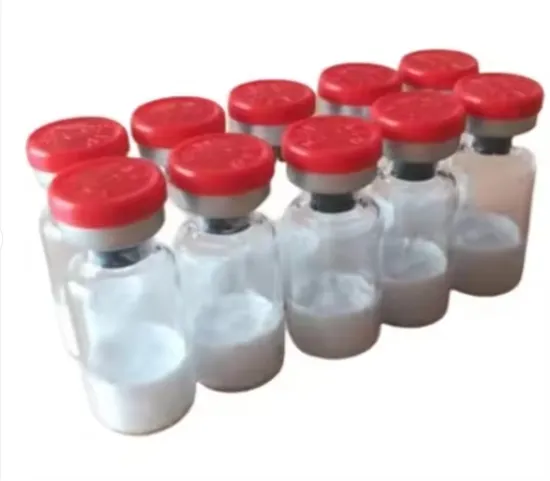
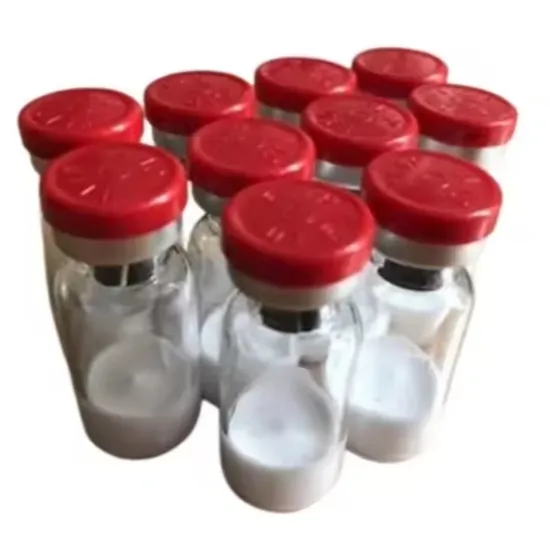
White lyophilized powder |
| Purity |
>99% by HPLC (C18 column, UV detection at 254nm) |
| Assay Method |
HPLC with C18 column and UV detection at 254nm, compared against certified reference standard |
| Form |
Lyophilized Powder |
| Specification |
100mg |
| Solubility |
Reconstitute in sterile water or buffer to 1–10 mg/mL |
| Storage Temperature |
-20°C, sealed, light-protected |
| Shelf Life |
24 months from manufacturing date (unopened, -20°C); ~1 month at 4°C, ~6 months at -20°C (reconstituted) |
| Container Type |
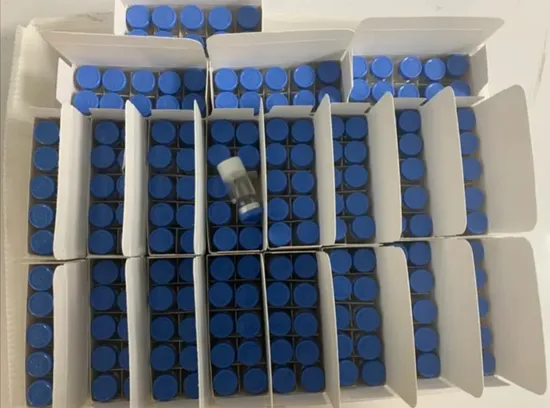
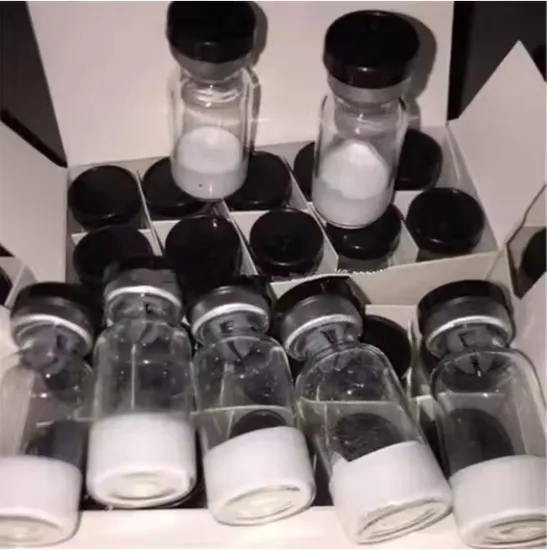
Bottle/Box |
| Freeze-Thaw Limit |
Aliquot to avoid freeze-thaw cycles |
| Certification |
GMP, ISO 9001 |
| Production Capacity |
10000GS/Year |
| HS Code |
29371290 |
| Origin |
China |
| Standards Referenced |
GMP, ISO 9001, USP, EP |
Intended Use
| Use Category |
Notes |
| Laboratory research input |
Supplied as lyophilized powder; reconstitution required before use in assay systems |
| In vitro biochemical research |
Compatible with enzymatic and coenzyme assay workflows at 1–10 mg/mL working concentration |
| Analytical reference material |
Batch-specific CoA with HPLC method details supports QC method validation |
| Enzymatic process studies |
Lyophilized form maintains stability for long-term reagent preparation |
Supplied as a raw material for research and manufacturing use. Not for human or veterinary use. Not a finished product.
Why Two Laboratories Report Different Nad+ Purity on the Same Batch
Purity values diverge when the buyer’s QC lab uses HPLC conditions that differ from the supplier’s certificate of analysis.
I spent years running raw material lines into Europe, and the most common dispute I have seen is not about the material itself — it is about the method. A client once received a CoA stating purity above the agreed threshold, but their internal HPLC run on the same batch returned a lower number. After a month of back-and-forth, we discovered their lab used a different column chemistry and detection wavelength. Once both sides aligned on C18 with UV at 254nm, the numbers matched. This is why Nad+ purity HPLC analytical verification must always be read alongside the method, never as a standalone figure. [NEED_CITE: HPLC method validation requirements per ICH guidelines]

Method Transparency as the Foundation of QC Alignment
When your receiving laboratory opens a shipment, the first question is whether the CoA method matches their own testing protocol. Each batch of this material ships with an analytical method summary that specifies the C18 column type, mobile phase composition, flow rate, and UV detection at 254nm. This level of detail eliminates the back-and-forth that delays release decisions and Nad+ purity HPLC analytical verification becomes straightforward when both parties reference the same conditions.
Retained Samples Close the Verification Loop
Every production lot generates retained samples stored under controlled conditions at -20°C. If your QC team observes a result outside specification during incoming inspection, we can pull the retained sample and re-run the same HPLC method within days. This re-testing capability provides an independent data point that helps distinguish between material issues and method discrepancies, which is where most Nad+ purity HPLC analytical verification disputes actually originate. [NEED_CITE: retained sample protocols for pharmaceutical raw materials]
Reading the Specification Through a Downstream Lens
The lyophilized powder form was selected because liquid formulations of this coenzyme degrade faster at ambient temperatures during transit. Purity determined at >99% by HPLC (C18, UV 254nm) reflects the material as received in the sealed container, not after reconstitution. The 24-month shelf life at -20°C applies only to unopened, light-protected containers; once reconstituted to 1–10 mg/mL, stability drops to approximately one month at 4°C or six months at -20°C. This difference matters for laboratories planning long-term assay development, because repeated freeze-thaw cycles accelerate degradation. Aliquoting immediately after reconstitution preserves the material for Nad+ purity HPLC analytical verification across multiple experimental runs without introducing degradation artifacts into the data.
The Cost of Incomplete Documentation at Customs
A shipment held at the port of entry is not just a delay — it cascades into missed project milestones, expired project timelines, and in some cases, total batch rejection by the receiving quality unit. When the CoA batch number does not match the label, or when the certificate omits the analytical method, customs and receiving QC both have grounds to flag the consignment. Incomplete import documentation compounds the problem, adding days or weeks of correspondence before release. These are entirely preventable failures when documentation is built into the dispatch process from the start. [NEED_CITE: import documentation standards for fine chemical intermediates]
What You Actually Receive With Each Shipment
Each order is supported by a batch-specific certificate of analysis that names the HPLC method used — not a generic product data sheet recycled across lots. Analytical method summaries are included so your QC laboratory can replicate exact testing conditions without requesting additional correspondence. Retained samples are held at -20°C for every lot, enabling re-testing or supplementary analysis on demand. Mass confirmation and solubility specifications accompany the Nad+ purity HPLC analytical verification data to give your team a complete incoming material profile. Temperature-controlled packing with transit records ensures the cold chain is verifiable from dispatch to receipt, and import documentation is prepared according to destination country requirements before the shipment leaves.
Documentation & Traceability
- Batch-specific certificate of analysis stating HPLC conditions (C18, UV 254nm) for this exact lot
- Analytical method summary enabling your QC lab to replicate testing parameters
- Mass confirmation report tied to the dispatched container weight
- Retained sample archive at -20°C for post-delivery re-testing requests
- Cold-chain packing record with continuous temperature log from dispatch to delivery
- Certificate of origin and HS code documentation for destination customs clearance
Storage, Handling & Shipping
- Store sealed containers at -20°C in light-protected conditions for the full 24-month shelf life
- Aliquot reconstituted solution to avoid freeze-thaw degradation of the lyophilized powder
- Reconstituted material stable approximately one month at 4°C or six months at -20°C
- Shipped in temperature-controlled packaging with transit temperature records included
- Wear appropriate PPE when handling the white lyophilized powder during reconstitution
- Import documentation including HS code 29371290 and certificate of origin prepared per destination
Preparing Your Inquiry for Accurate Quotation
When requesting a quote, include your required specification level and the analytical method your QC laboratory uses for incoming inspection, so we can confirm method compatibility before dispatch. Specify the quantity and whether you need research-scale 100mg units or bulk packaging, along with any destination-specific import documentation requirements your customs broker has flagged. If your receiving lab follows USP or EP testing protocols, let us know at the inquiry stage so the Nad+ purity HPLC analytical verification package can be aligned accordingly.
Frequently Asked Questions
Q: How is the certificate of analysis linked to my specific shipment?
A: Each CoA carries the production batch number printed on your container label. The certificate includes the HPLC method (C18 column, UV 254nm) used to generate the purity data for that exact lot, not a generic specification sheet. This one-to-one link ensures your QC team can trace every analytical result back to the physical material received.
Q: What HPLC conditions were used to determine the stated purity?
A: Purity is determined using HPLC with a C18 column and UV detection at 254nm, compared against a certified reference standard. The full analytical method summary — including mobile phase, flow rate, and injection parameters — ships with every order so your laboratory can replicate the conditions exactly during incoming material verification.
Q: What happens if our lab’s re-test result does not match the CoA?
A: We investigate by first confirming method alignment between your HPLC conditions and ours. If a discrepancy persists, we pull the retained sample from that batch and run an independent re-test under documented conditions. Should the batch fail to meet stated specifications, unconditional replacement is provided.
Q: Can we request additional testing or reports after delivery?
A: Yes. Provide your order number and we can supply supplementary HPLC runs, MS spectra for structural confirmation, or additional purity reports generated from the retained sample archive. This supports ongoing Nad+ purity HPLC analytical verification across your project lifecycle without requiring a new purchase.
Q: What are the storage requirements to maintain specification throughout shelf life?
A: Keep sealed containers at -20°C, protected from light, for the full 24-month shelf life. After reconstitution to 1–10 mg/mL, aliquot immediately and store at -20°C for up to six months or at 4°C for approximately one month. Avoid repeated freeze-thaw cycles to prevent degradation.