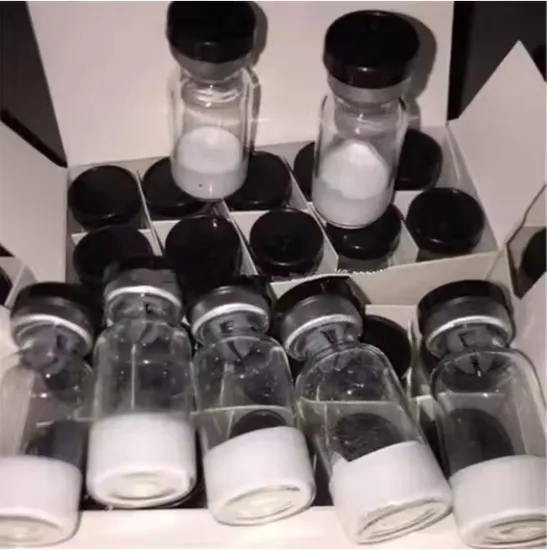
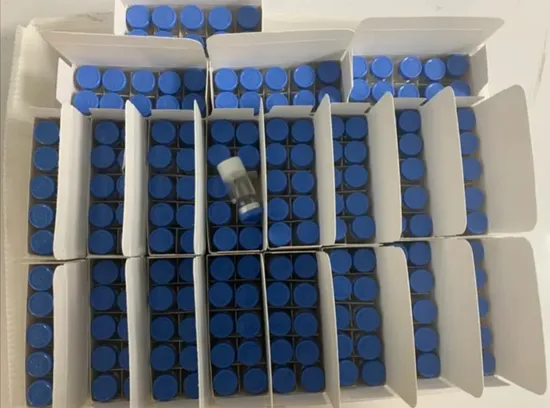
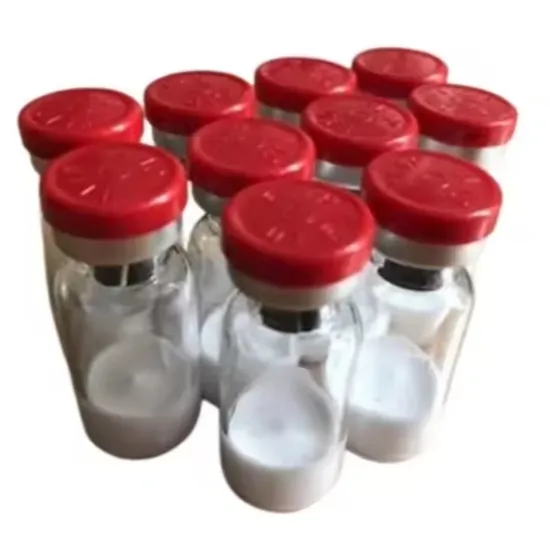
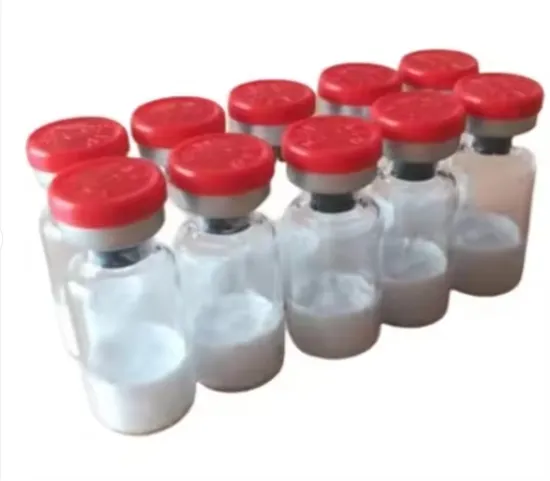
Method Transparency — every lot of NAD+ CAS 53-84-9 ships with chromatograms and named HPLC conditions so your QC lab can repeat the assay without guessing.
Product Specification
| Parameter |
Value |
| Chemical Identity |
NAD+ (Nicotinamide Adenine Dinucleotide), CAS 53-84-9 |
| Product Type |
Fine Chemical Intermediate |
| Appearance |
White Lyophilized Powder |
| Purity |
>99% by HPLC with UV detection |
| Identity Confirmation |
Mass spectrometry (MS) |
| Endotoxin |
<0.1 EU/μg |
| Physical State |
Lyophilized Powder |
| Storage Temperature |
-20°C, sealed, light-protected |
| Shelf Life |
24 months from manufacturing date (lyophilized, stored at -20°C) |
| Reconstitution Solubility |
Sterile water or buffer to 1–10 mg/mL |
| Reconstituted Stability |
Approximately 1 month at 4°C; approximately 6 months at -20°C |
| Packaging Options |
100 mg/vial; 500 mg referenced |
| Container Type |
Bottle/Box |
| Quality Standards |
GMP, ISO 9001, USP, EP |
| Freeze-Thaw Guidance |
Aliquot to avoid repeated freeze-thaw cycles |
| Minimum Order Quantity |
100 mg |
| Production Capacity |
Annual capacity exceeding 100 KG |
| HS Code |
29371290 |
Intended Use
| Use Category |
Notes |
| Laboratory research input (in vitro only) |
Supplied as lyophilized powder for bench-scale assay preparation |
| Analytical reference standard |
HPLC and MS data provided for method alignment |
| NAD+-dependent enzyme research |
Coenzyme input for in vitro enzymatic reaction systems |
| PARP activation mechanism studies |
Substrate input for cell-free assay platforms |
| Mitochondrial function assay input |
Reagent-grade material for isolated organelle studies |
Supplied as a raw material for research and manufacturing use. Not for human or veterinary use. Not a finished product.
Why Two Labs Report Different Purity on the Same NAD+ CAS 53-84-9 Batch
Divergent results almost always trace back to HPLC conditions, not the material itself.
When I worked in the Guangzhou lab, we shipped a lot of this coenzyme intermediate to a European research group. Our certificate of analysis stated >99% purity by HPLC with UV detection, but the original report did not lock down the gradient program or the column chemistry. Their QC team ran a different mobile phase ratio and obtained a result 0.8 percentage points lower. It took over a month of back-and-forth method comparison before both sides agreed on a single set of chromatographic parameters. [NEED_CITE: ICH Q2(R1) validation of analytical procedures] That experience changed how we document every batch: column type, flow rate, gradient table, and detector wavelength are now fixed in the report before dispatch. For NAD+ CAS 53-84-9 purity HPLC analytical verification, the method is part of the specification, not an afterthought.

Chromatographic Method as the Real Specification
A stated purity figure is only meaningful when the analytical method is reproducible across laboratories. For this NAD+ CAS 53-84-9 raw material, the certificate of analysis records the exact HPLC-UV conditions — including column dimensions, stationary phase chemistry, and gradient profile — alongside the integrated chromatogram. This level of documentation allows the receiving QC laboratory to set up an identical method and confirm the stated value without an extended negotiation over parameters.
Identity Locked by Orthogonal Confirmation
Purity alone cannot confirm that the correct compound arrived. Mass spectrometry is therefore applied as a second, independent check on every lot. The molecular ion signal is compared against the expected mass for Nicotinamide Adenine Dinucleotide. When both the HPLC retention time and the MS signal align, the identity claim is supported by two distinct physical principles, reducing the chance of a misidentified shipment reaching the bench.
Endotoxin Control for Cell-Free and Enzyme Systems
Even in in vitro enzyme assays, endotoxin contamination can introduce background interference that skews kinetic readings. This intermediate is controlled at <0.1 EU/μg, a threshold chosen to keep such interference below the detection limit of most spectrophotometric and fluorometric platforms. The value is reported on each batch-specific certificate so the receiving laboratory can cross-reference it with assay sensitivity requirements. [NEED_CITE: endotoxin limits for research reagents in enzyme assays]
Interpreting the Lyophilized Format and Storage Window
The lyophilized state removes bulk water, which is the primary driver of hydrolytic degradation for dinucleotide coenzymes. Sealed and stored at -20°C with light protection, the material carries a 24-month shelf life from the manufacturing date. Once reconstituted in sterile water or buffer to 1–10 mg/mL, stability shifts to approximately one month at 4°C or six months at -20°C. Aliquoting the reconstituted solution into single-use volumes prevents cumulative freeze-thaw damage that would otherwise fragment the coenzyme and introduce degradation peaks on a follow-up HPLC run.
The Hidden Cost of Incomplete Documentation
A certificate of analysis that omits the HPLC method forces the buyer’s QC team into a trial-and-error loop, consuming reference solvents, column life, and analyst hours. When the reported purity cannot be reproduced, the entire lot may be quarantined pending a resolution, delaying downstream experiments or manufacturing timelines. In import scenarios, missing or mismatched paperwork can hold a shipment at customs for days, during which the lyophilized powder sits outside controlled storage. [NEED_CITE: customs documentation requirements for chemical research reagents] For NAD+ CAS 53-84-9 purity HPLC analytical verification, complete documentation is not a courtesy — it is the mechanism that keeps the material usable upon arrival.
Why Procurement Teams Align With This Supply Source
Every batch is released against a lot-specific certificate that names the HPLC column, gradient, and detector settings, eliminating ambiguity at the receiving bench. Custom synthesis is available to buyer-supplied sequences and modifications, meaning non-catalogue analogues can be produced under the same documentation standards. Research-scale 100 mg vials and bulk quantities originate from the same production line, so scale-up does not require re-validation of the analytical method. Temperature-controlled packing is paired with transit temperature records, giving the receiving team verifiable evidence that the -20°C storage requirement was maintained throughout the logistics chain. Import documentation is assembled according to the destination country’s regulatory framework, reducing the chance of customs delays. Technical support on specification, handling, and storage is provided post-delivery to help resolve any QC discrepancies quickly.
Documentation & Traceability
- Batch-specific certificate of analysis stating the HPLC-UV method used for this exact lot
- Analytical method summary enabling the buyer’s QC lab to replicate conditions without guesswork
- Mass spectrometry report confirming molecular ion alignment with Nicotinamide Adenine Dinucleotide
- Retained sample from each lot available for re-test if results are disputed
- Safety data sheet covering handling, storage, and transport classification for this intermediate
- Certificate of origin prepared per destination import requirement
Storage, Handling & Shipping
- Store lyophilized NAD+ at -20°C in original sealed container with light protection to maintain the 24-month shelf life
- Aliquot reconstituted solution into single-use volumes to avoid repeated freeze-thaw degradation
- Keep container tightly closed and desiccated to prevent moisture uptake by the hygroscopic powder
- Ship with temperature-controlled packing and include a transit temperature log for cold-chain verification
- Provide destination-specific import documentation including HS code 29371290 for smooth customs clearance
- Handle with standard PPE consistent with fine chemical intermediate safety data sheet guidance
Preparing Your Inquiry
To move forward efficiently, share the purity threshold your QC method requires and the HPLC conditions your laboratory uses for in-house verification. Specify the vial size and total quantity needed, along with any aliquoting or repackaging preferences for your workflow. If you are importing into a regulated market, list the documentation your customs broker requires so we can prepare the full packet before dispatch.
Frequently Asked Questions
Q: How is the >99% purity of NAD+ determined, and which analytical method is used?
A: Purity is determined by HPLC with UV detection. Each certificate of analysis records the column chemistry, gradient program, flow rate, and detector wavelength used for that specific lot. Identity is independently confirmed by mass spectrometry. This dual-method approach supports NAD+ CAS 53-84-9 purity HPLC analytical verification and allows the receiving laboratory to replicate the result.
Q: How does the certificate of analysis correspond to the specific batch received?
A: Every certificate carries the lot number printed on the vial label. The HPLC chromatogram and mass spectrum included in the document were generated from that same lot. Retained samples from each batch are held in our facility so that re-testing can be performed if the buyer’s QC result diverges from the reported specification.
Q: What support is provided if the buyer’s QC re-test result differs from the stated purity?
A: We supply the full analytical method summary so your laboratory can match our conditions exactly. If a discrepancy persists after method alignment, we test the retained sample from the same lot and compare data side by side. A replacement is issued unconditionally when the batch fails to meet the specification stated on the certificate.
Q: What are the storage conditions and shelf life for lyophilized NAD+ powder?
A: The lyophilized powder should be stored sealed at -20°C with light protection. Under these conditions the material retains its specification for 24 months from the manufacturing date. Once reconstituted, stability is approximately one month at 4°C or six months at -20°C. Aliquoting is recommended to prevent freeze-thaw damage.
Q: What documentation is included with each shipment?
A: Each package contains a batch-specific certificate of analysis, a safety data sheet, and an analytical method summary. Certificates of origin and destination-specific import paperwork are prepared on request. Temperature transit records accompany every dispatch to confirm that cold-chain conditions were maintained from our facility to the receiving laboratory.