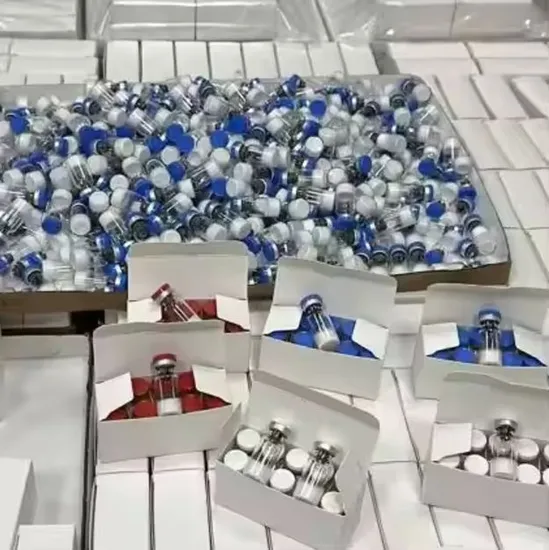
Batch Traceability — Every lot of Nad+ (Nicotinamide Adenine Dinucleotide) ships with a batch-specific Certificate of Analysis that names the exact HPLC conditions used for purity determination, so your QC team can replicate the assay without guessing.
Product Specification
| Parameter |
Value |
| Chemical Identity |
Nicotinamide Adenine Dinucleotide (Nad+) |
| Product Type |
Fine Chemical Intermediate |
| Appearance |
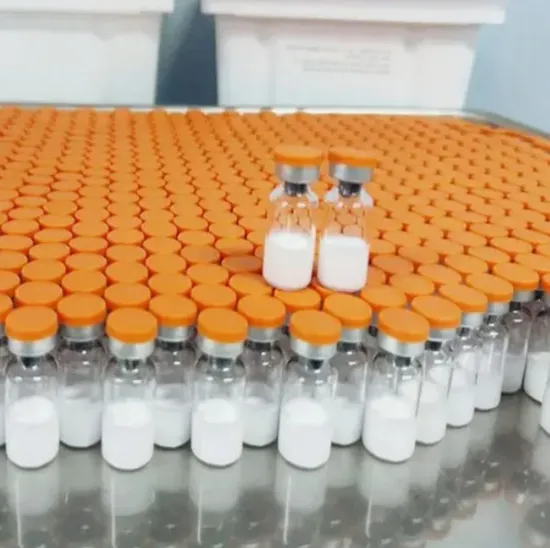
White lyophilized powder |
| Purity |
>99% by reverse-phase HPLC (UV detection at 254 nm) |
| Assay Method |
Reverse-phase HPLC, UV 254 nm, against authenticated reference standard |
| Related Substances |
Impurities <0.1% |
| Endotoxin |
<0.1 EU/μg |
| Solubility |
Reconstitute in sterile water or buffer to 1–10 mg/mL |
| Structural Confirmation |
Mass spectrometry (MS) |
| Storage Temperature |
-20 °C, sealed, light-protected |
| Reconstituted Stability |
~1 month at 4 °C; ~6 months at -20 °C |
| Shelf Life |
24 months from manufacturing date at -20 °C, unopened |
| Packaging |
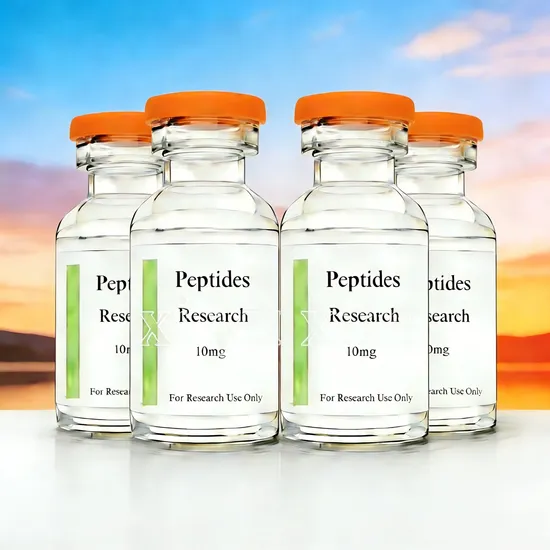
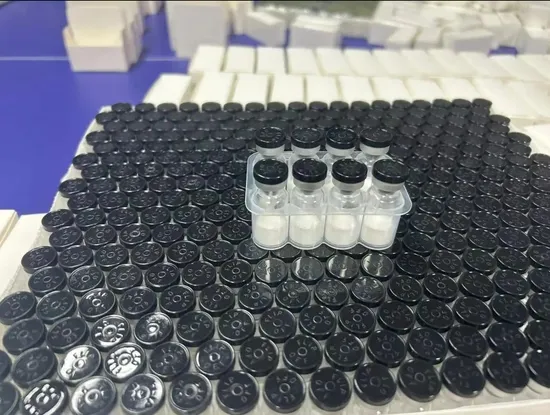
100 mg/bottle, nitrogen-sealed; bulk options (1 g+) available |
| Certification |
GMP, ISO 9001 |
| Additional Documentation |
NMR spectra available upon request |
Intended Use
| Use Category |
Notes |
| Laboratory research input |
Suitable for in vitro biochemical and enzymatic studies |
| In vitro enzyme kinetics |
Compatible with NAD-dependent enzyme activity assays |
| Metabolic pathway research |
Substrate for cellular energy metabolism investigations |
| Analytical reference material |
Applicable for method validation and QC laboratory alignment |
Supplied as a raw material for research and manufacturing use. Not for human or veterinary use. Not a finished product.
Why Two Labs Report Different Purity on the Same Nad+ Nicotinamide Adenine Dinucleotide Batch
Discrepancies usually trace back to mismatched HPLC conditions, not the material itself.
I have watched procurement teams and QC labs spend weeks exchanging emails over a half-point purity gap, only to discover that one lab used a C18 column at 30 °C while the supplier’s CoA referenced a C8 column at ambient temperature. When the analytical method is not explicitly named on the certificate, the buyer’s laboratory has no baseline to replicate the original result. This Nad+ Nicotinamide Adenine Dinucleotide purity HPLC analytical verification workflow eliminates that ambiguity by stating the column chemistry, mobile phase, flow rate, and detection wavelength directly on the lot-specific document. [NEED_CITE: HPLC method validation requirements per ICH guidelines]

Method Transparency From Lot to Lot
Every shipment includes a Certificate of Analysis that lists the full reverse-phase HPLC parameters — column type, gradient profile, UV detection at 254 nm — rather than a single purity number without context. This level of Nad+ Nicotinamide Adenine Dinucleotide purity HPLC analytical verification allows receiving laboratories to set up their instruments with the same conditions before running their first injection.
Structural Identity Beyond Chromatography
Purity alone does not confirm that the powder in the bottle is the correct compound. Mass spectrometry data accompanies each batch to verify molecular weight, and NMR spectra are available upon request for laboratories that require orthogonal confirmation. [NEED_CITE: orthogonal analytical methods for compound identity verification]
Reading the Specification Sheet
The stated purity of >99% is determined by reverse-phase HPLC with UV detection at 254 nm against an authenticated reference standard — the method matters because Nad+ co-elutes with several degradation products under poorly optimized gradient conditions. Related substances are controlled below 0.1%, which is relevant for enzyme kinetics studies where trace impurities can act as competitive inhibitors. Endotoxin levels below 0.1 EU/μg ensure compatibility with sensitive cell-based metabolic assays without introducing confounding inflammatory signals. The nitrogen-sealed 100 mg bottles prevent moisture uptake during storage, since lyophilized Nad+ is hygroscopic and absorbed water alters both weight accuracy and long-term stability at -20 °C.
The Hidden Cost of Incomplete Documentation
A batch held at customs because the Certificate of Origin lacks a required HS code field can delay an entire research timeline by weeks. Similarly, when a CoA does not carry the same lot number printed on the bottle label, the receiving quality unit may reject the shipment outright, triggering return logistics and replacement lead times. These Nad+ Nicotinamide Adenine Dinucleotide purity HPLC analytical verification gaps create downstream friction that has nothing to do with the chemical itself. [NEED_CITE: import documentation requirements for research-grade chemical intermediates]
Why Source Nad+ Through This Channel
Each bottle carries a lot number that links directly to retained samples stored under the same -20 °C conditions, enabling side-by-side re-testing if the buyer’s laboratory obtains an unexpected result. The analytical method summary provided with every CoA allows the receiving QC team to replicate chromatographic conditions without a lengthy email exchange. Temperature-controlled dispatch includes a transit data logger so that cold-chain integrity can be verified upon arrival — critical for a lyophilized coenzyme whose degradation accelerates at ambient temperature. Import documentation is prepared per destination-country requirements, reducing the risk of customs holds. Production follows GMP and ISO 9001 quality systems, providing a documented audit trail from raw material receipt through final packaging.
Documentation & Traceability
- Batch-specific CoA listing the exact HPLC gradient, column, and UV wavelength used for that lot
- Mass spectrometry report confirming molecular identity of the dispatched Nad+ batch
- Endotoxin test certificate with the Limulus amebocyte lysate method and result
- NMR spectra supplied on request for orthogonal structural confirmation
- Retained sample archived at -20 °C for the shelf life of the batch
Storage, Handling & Shipping
- Store Nad+ at -20 °C in the original nitrogen-sealed bottle, protected from light
- Reconstituted solutions remain stable approximately one month at 4 °C or six months at -20 °C
- Aliquot after reconstitution to minimize repeated freeze-thaw cycles
- Shipped in temperature-controlled packaging with an enclosed transit data logger
- Cold-chain dispatch maintains -20 °C conditions; temperature record provided on delivery
- HS code 29371290 declared on commercial invoice and export documents
Requesting a Quotation
To expedite specification review, please provide your required quantity, target purity threshold, and the HPLC method your laboratory uses for incoming inspection. If your facility operates under specific import regulations, share the documentation checklist so that paperwork can be aligned before dispatch. For laboratories requiring NMR spectra or additional endotoxin data, note these requirements at the inquiry stage.
Frequently Asked Questions
Q: What analytical methods are used to determine Nad+ purity, and are they documented on the CoA?
A: Purity is determined by reverse-phase HPLC with UV detection at 254 nm against an authenticated reference standard. The batch-specific Certificate of Analysis states the column chemistry, mobile phase composition, gradient profile, and flow rate so that the receiving laboratory can replicate the method without ambiguity.
Q: How does the batch-specific CoA correspond to the lot number on the received product?
A: Each CoA carries the same lot number printed on the bottle label and outer packaging. Retained samples are archived under identical -20 °C storage conditions, allowing direct comparison if the buyer’s QC team observes a discrepancy during incoming inspection.
Q: What happens if our QC lab’s re-test results differ from the supplier’s CoA values?
A: We first compare the buyer’s chromatographic conditions against those stated on the CoA to identify method alignment issues. If conditions match and the variance persists, the retained sample is re-tested in parallel and results are shared with full chromatograms for joint review.
Q: What storage conditions and shelf life apply to the lyophilized powder and reconstituted solution?
A: The unopened nitrogen-sealed bottle is stored at -20 °C, light-protected, with a 24-month shelf life from the manufacturing date. Once reconstituted in sterile water or buffer, the solution is stable approximately one month at 4 °C or six months when refrozen at -20 °C.
Q: What import documentation and cold-chain packing records are provided with each shipment?
A: Shipments include a commercial invoice with HS code 29371290, Certificate of Origin, batch-specific CoA, safety data sheet, and a transit temperature log from the data logger. Documentation packages are prepared according to the destination country’s regulatory requirements.