Analytical Method Transparency — every Certificate of Analysis ships with named HPLC, MS, and NMR protocols, ensuring your laboratory can replicate our verification of Melanotan-2 121062-08-6 without ambiguity.
Product Specification
| Parameter |
Value |
| Chemical Identity |
Melanotan II (Mt2, Mt-2), CAS 121062-08-6 |
| Product Type |
Peptide Raw Material |
| Sequence |
Synthetic peptide analog of α-melanocyte-stimulating hormone (α-MSH) |
| Appearance |
White Lyophilized Powder |
| Purity |
>99% by reverse-phase HPLC (UV detection at 220nm) |
| Assay Protocol |
HPLC, MS, NMR (triple testing) |
| Endotoxin |
<0.1EU/μg |
| Packaging Options |
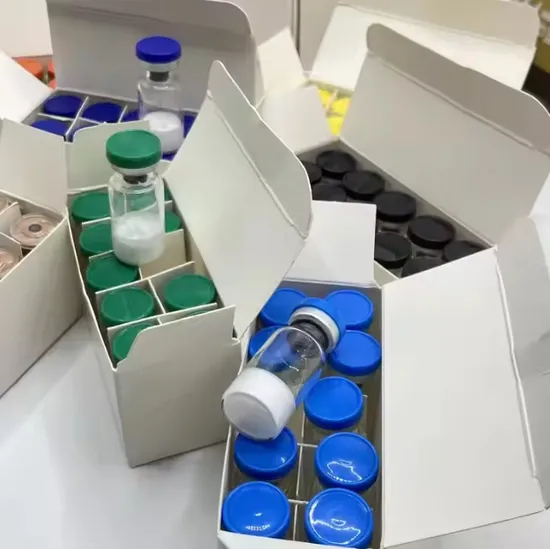
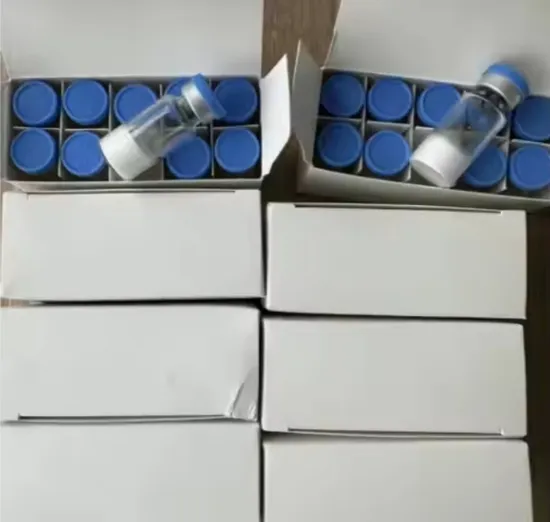
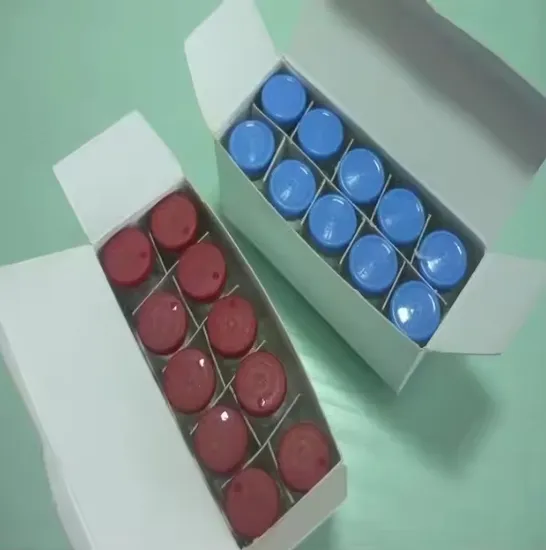
5mg, 10mg, 15mg per vial |
| Container |
Sterile vial |
| Storage |
-20°C, sealed, light-protected (lyophilized) |
| Reconstituted Stability |
4°C up to 1 month; -20°C up to 6 months |
| Shelf Life |
24 months from manufacturing date (unopened, -20°C) |
| Reconstitution Medium |
Sterile water or buffer to 1–10 mg/mL |
| Quality Standards |
GMP, ISO 9001 |
Intended Use
| Use Category |
Notes |
| Laboratory research input |
Suitable for in vitro assay development and receptor binding studies requiring high-purity peptide references |
| Analytical reference material |
Chromatographic and spectrometric identity confirmed for use as a laboratory standard |
| In vitro signaling research |
Compatible with cell-based pathway investigation under controlled experimental conditions |
Supplied as a raw material for research and manufacturing use. Not for human or veterinary use. Not a finished product.
Why Buyer QC Data Often Disagrees With the Supplier CoA for Melanotan-2 121062-08-6
A Certificate without a stated analytical method is an unverified claim.
When a receiving laboratory re-tests a vial of Melanotan-2 121062-08-6 purity HPLC analytical verification and obtains a different number, the dispute almost always traces back to method divergence. One lab uses a steeper gradient, another a different column chemistry, and the resulting chromatograms integrate differently. I recall a batch of lyophilized peptide where the supplier stated a high purity without specifying conditions; the buyer’s in-house HPLC run produced a result two points lower, and resolving that discrepancy consumed weeks of correspondence. Providing the full chromatographic parameters — column type, mobile phase composition, gradient slope, detection wavelength — alongside the raw chromatogram eliminates this gap before the shipment even arrives [NEED_CITE: ICH Q2 method validation parameters for peptide purity determination].

Triple-Testing Protocol for Identity and Purity Confirmation
Each production lot undergoes three independent analytical techniques before release. Reverse-phase HPLC with UV detection at 220nm establishes the chromatographic purity profile, while mass spectrometry confirms the molecular identity by matching the observed mass-to-charge ratio against the theoretical value for the Melanotan-2 sequence. NMR spectroscopy provides orthogonal structural confirmation, verifying the peptide backbone and side-chain integrity. This layered approach ensures that the Melanotan-2 121062-08-6 purity HPLC analytical verification data you receive is not a single-point measurement but a cross-validated specification package.
Batch-Specific Documentation Over Generic Specifications
Generic product data sheets describe what a material should be; batch-specific documentation describes what the material in your vial actually is. Every vial carries a lot number that links directly to the corresponding HPLC chromatograms, mass spectra, and NMR data generated from that exact production run. Retained samples from each lot are stored under controlled conditions, enabling re-testing if your laboratory requires additional verification months after delivery. This traceability chain supports published research documentation and regulatory audits where analytical provenance must be demonstrated [NEED_CITE: requirements for retained sample storage in peptide raw material supply].
Interpreting Specifications for Downstream Laboratory Work
The stated endotoxin level below 0.1EU/μg is relevant when the material is introduced into cell culture systems where bacterial endotoxin contamination can confound assay results. Storage at -20°C in sealed, light-protected vials preserves the lyophilized matrix; once reconstituted, the solution should be aliquoted to avoid repeated freeze-thaw cycles that accelerate peptide degradation through oxidation and deamidation pathways. The HPLC method uses UV detection at 220nm, which captures the peptide bond absorbance — if your laboratory typically quantifies at 214nm or uses a different wavelength, the integration of minor impurity peaks may differ, explaining apparent discrepancies. Understanding these method-level details before ordering ensures the specification you receive aligns with the analytical framework your quality control team will apply upon receipt.
The Operational Cost of Incomplete Analytical Documentation
When a shipment arrives without the analytical method specified on the Certificate, the buyer’s QC team must invest time developing or guessing the original conditions to verify the material. Method development for an unfamiliar peptide can consume multiple column hours and reference solvent volumes. If the re-test result falls outside tolerance and the supplier cannot produce the original chromatographic parameters, the entire batch may be quarantined pending resolution — delaying downstream experiments and consuming procurement resources on dispute management rather than productive research planning [NEED_CITE: financial impact of analytical method mismatch in raw material procurement].
Sourcing Confidence Through Verification Infrastructure
Method documentation accompanies every shipment so your QC laboratory can replicate our conditions precisely. Retained samples are held for each production lot, available for re-analysis if your research requires longitudinal verification or if a journal requires raw analytical data during peer review. Cold-chain packing includes temperature monitoring devices that record conditions throughout transit, providing evidence that the -20°C storage requirement was maintained. Import documentation is prepared per destination regulatory requirements, reducing customs hold risk. Technical support is available for specification interpretation and handling guidance specific to this peptide’s physicochemical profile.
Documentation & Traceability
- Batch-specific Certificate of Analysis naming HPLC, MS, and NMR methods with raw chromatograms attached
- Mass spectrometry report confirming molecular weight match for this production lot
- Analytical method summary detailing column chemistry, gradient, and detection parameters
- Endotoxin test report with stated assay methodology for this batch
- Retained sample log linking vial lot number to archived reference material
Storage, Handling & Shipping
- Store unopened vials at -20°C in sealed, light-protected conditions to maintain lyophilized stability
- Aliquot reconstituted solutions immediately to prevent freeze-thaw degradation of the peptide
- Reconstituted material stable at 4°C for up to one month or -20°C for up to six months
- Temperature-controlled dispatch with transit data loggers recording thermal conditions throughout transport
- Shipped under HS Code 29371290 with Certificate of Origin and destination-specific import paperwork
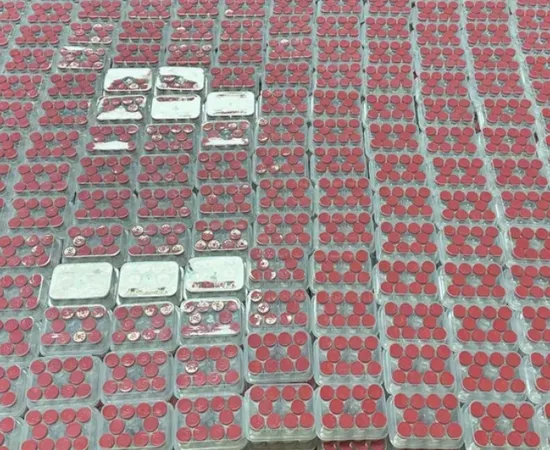
- Vials packed to prevent mechanical damage during global transit with typical ten-day arrival windows
Requesting Analytical Documentation for Your Procurement Review
To expedite your evaluation, specify the analytical methods your quality control laboratory uses for peptide purity assessment so we can confirm method alignment before shipment. Indicate your preferred vial size and total quantity to ensure packaging matches your aliquoting workflow. If your institution requires specific import documentation formats for customs clearance in your jurisdiction, provide those requirements at the inquiry stage so the paperwork package is complete upon dispatch.
Frequently Asked Questions
Q: How does the batch-specific Certificate of Analysis link to my received vial?
A: Each vial bears a lot number printed on the label. The accompanying Certificate of Analysis carries the identical lot number and contains HPLC chromatograms, mass spectra, and NMR data generated exclusively from that production batch. This one-to-one correspondence ensures the analytical data reflects the exact material you hold, not a generic specification from a different manufacturing run.
Q: What method is used to determine the stated purity value?
A: Purity is established by reverse-phase high-performance liquid chromatography with UV detection at 220nm. The method parameters — including column type, mobile phase gradient, and flow rate — are documented in the analytical method summary supplied with the Certificate. This transparency allows your laboratory to reproduce the conditions and verify the reported result independently.
Q: What happens if our laboratory obtains a different purity result on re-testing?
A: We first compare your chromatographic conditions against those used for the original release testing. Method alignment often resolves apparent discrepancies. If conditions match and results still diverge, we retrieve the retained sample from that lot and perform a parallel re-analysis, sharing the new chromatograms with your team to identify the source of variation.
Q: Are retained samples available for future re-testing or publication support?
A: Yes. Archived samples from each production lot are stored under controlled conditions matching the recommended storage parameters. If your research documentation requires re-verification at a later date or a journal requests raw analytical data during peer review, we can access the retained material and generate supplementary reports tied to your original batch number.
Q: What are the storage conditions and shelf life specifications?
A: Unopened lyophilized vials should be stored at -20°C, sealed and protected from light, with a shelf life of 24 months from the manufacturing date. Once reconstituted in sterile water or buffer, the solution remains stable at 4°C for up to one month or at -20°C for up to six months. Aliquoting is recommended to avoid repeated freeze-thaw cycles.