Verified Specification Match — Every vial ships with a batch-specific CoA tied to the exact lot, so the HPLC chromatogram you review belongs to the material you receive.
Product Specification
| Parameter |
Value |
| Chemical Identity |
Melanotan II, CAS 121062-08-6 |
| Product Type |
Peptide Raw Material |
| Category |
Organic Intermediate |
| Appearance |
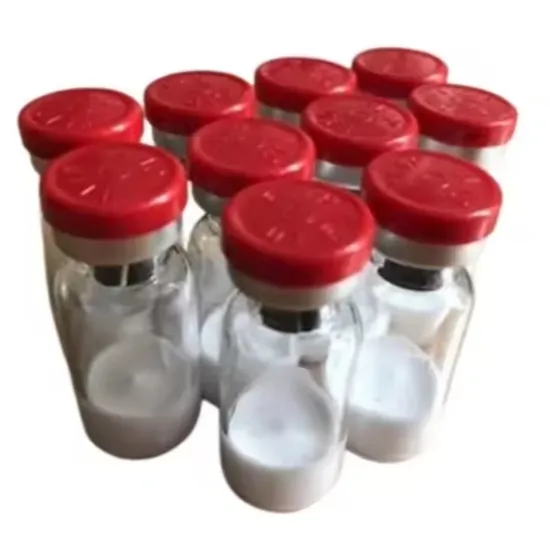
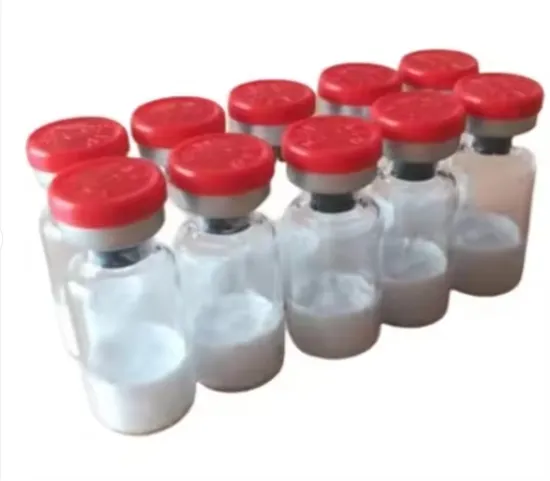
White lyophilized powder |
| Assay Method |
HPLC with UV detection; identity confirmed by MS |
| Purity |
>99% by HPLC (method to be confirmed for specific lot) |
| Form |
Lyophilized Powder |
| Property |
Protein and Peptide |
| Available Sizes |
5 mg, 10 mg, 15 mg |
| Storage Temperature |
-20 °C, sealed, light-protected |
| Shelf Life |
24 months from manufacture date (lyophilized, -20 °C) |
| Reconstituted Stability |
~1 month at 4 °C; ~6 months at -20 °C |
| Reconstitution Solvent |
Sterile water or buffer to 1–10 mg/mL |
| Certification |
GMP, ISO 9001 |
| Testing Laboratory |
ISO 17025-accredited in-house facility |
| Batch Record Retention |
5 years |
| Origin |
China |
| HS Code |
29371290 |
Intended Use
| Use Category |
Notes |
| Laboratory research input |
Suitable for in vitro assay development and pathway studies |
| Analytical reference material |
Supports HPLC method validation and calibration alignment |
| Biochemistry research tool |
Used in pigmentation-related molecular biology workflows |
Supplied as a raw material for research and manufacturing use. Not for human or veterinary use. Not a finished product.
What a Certificate Cannot Tell You Without the Method
A purity number without a named analytical method is unverifiable.
When a CoA states ">99%" but omits the HPLC column type, mobile phase gradient, and detection wavelength, a receiving QC lab running its own validated method may report a different figure. This is not necessarily a quality failure — it is a method alignment gap. In my experience coordinating European import documentation, Melanotan II 121062-08-6 purity HPLC analytical verification disputes almost always trace back to differing chromatographic conditions rather than actual material degradation [NEED_CITE: HPLC method validation requirements per ICH guidelines]. Without the original method parameters printed on the certificate, the buyer and supplier spend weeks exchanging chromatograms instead of moving the project forward.

How Method Transparency Prevents Purity Disputes
The CoA accompanying each batch of Melanotan II 121062-08-6 names the HPLC column chemistry, mobile phase composition, flow rate, and UV detection wavelength used to generate the stated purity value. This allows the receiving laboratory to replicate the exact chromatographic conditions before running an independent verification. When both labs operate from the same method summary, observed differences in peak integration narrow significantly, and any remaining discrepancy can be attributed to instrument calibration rather than specification ambiguity.
Identity Confirmation Through Mass Spectrometry
Purity alone does not confirm that the correct peptide sequence is in the vial. Each lot undergoes mass spectrometry to verify the molecular ion matches the expected mass of Melanotan II. The MS confirmation is documented alongside the HPLC data on the batch-specific certificate [NEED_CITE: mass spectrometry identity confirmation for synthetic peptides]. This two-layer approach — chromatographic purity plus mass verification — ensures that the material received is both the correct compound and within specification, which is critical when downstream assays depend on receptor-binding accuracy.
Reading the Specification Beyond the Headline Number
A ">99%" purity claim means different things depending on the integration method and the impurities excluded from the calculation. The analytical method summary provided with this material clarifies whether related peptides, deletion sequences, and residual solvents are included in the total impurity percentage. Lyophilized powder stored at -20 °C with light protection maintains chemical integrity over the stated 24-month shelf life, but repeated temperature excursions during reconstitution or aliquoting accelerate degradation. Understanding the storage-stability relationship ensures that the material performs consistently throughout a research programme. The reconstituted stability profile (~1 month at 4 °C, ~6 months at -20 °C) guides aliquot sizing to avoid unnecessary freeze-thaw cycles that generate degradation peaks detectable by HPLC.
The Hidden Cost of Incomplete Analytical Documentation
When a shipment arrives at a European port and the CoA does not match the lot number on the vial label, customs may hold the consignment pending clarification. Similarly, a QC lab that cannot reproduce the stated purity because the method was never supplied will quarantine the material, delaying the entire project timeline [NEED_CITE: import documentation requirements for peptide raw materials in the EU]. In both scenarios, the material itself may be within specification, but the documentation gap creates a financial and scheduling impact that far exceeds the cost of preparing complete paperwork upfront. Batch-specific certificates, method summaries, and retained sample availability exist precisely to eliminate these preventable delays.
Why Procurement Teams Source Melanotan II Here
Every lot of Melanotan II 121062-08-6 is assigned a unique batch number that links the vial to its CoA, analytical method summary, and retained sample stored under controlled conditions. The in-house ISO 17025-accredited laboratory performs release testing and maintains records for five years, supporting re-testing requests long after the initial delivery. Research-scale vials (5 mg, 10 mg, 15 mg) and bulk quantities originate from the same production line, so method validation performed on a trial lot transfers directly to scale-up orders. Temperature-controlled packing with transit temperature logging protects the lyophilized powder throughout the cold chain, and import documentation is assembled per the destination country’s regulatory requirements before dispatch.
Documentation & Traceability
- Batch-specific CoA stating the exact HPLC and MS methods used for this lot
- Analytical method summary enabling the buyer’s QC lab to replicate assay conditions
- Raw chromatographic data files supplied on request with the order number
- Certificate of origin and HS code 29371290 documentation for customs clearance
- Retained sample archived for five years, available for dispute re-testing
- Safety data sheet covering lyophilized powder handling and storage requirements
Storage, Handling & Shipping
- Store Melanotan II at -20 °C in original sealed, light-protected container
- Minimize freeze-thaw cycles by aliquoting reconstituted solution into single-use volumes
- Reconstituted material remains stable approximately one month at 4 °C
- Shipped in temperature-controlled packaging with transit temperature logger included
- Lyophilized powder format reduces degradation risk during international transit
- Full import paperwork prepared per destination-country regulatory requirements
Requesting a Specification Package
When submitting an enquiry for Melanotan II 121062-08-6, specify the required vial size, target purity threshold, and the HPLC method your laboratory uses for incoming inspection. If your facility operates under specific import documentation requirements, list the certificates and customs paperwork needed for your jurisdiction so they can be prepared before dispatch. Indicate whether retained sample access and extended stability data are required for your quality system.
Frequently Asked Questions
Q: How is the CoA linked to the specific batch I receive?
A: Each vial carries a unique lot number that corresponds to its own CoA, not a generic template. The certificate documents the HPLC purity result, MS identity confirmation, and named analytical conditions for that exact production run. Retained samples from the same lot are stored for five years, allowing independent re-testing if a discrepancy arises during your incoming QC inspection.
Q: Which analytical methods confirm purity and identity?
A: Purity is determined by HPLC with UV detection, and the method summary specifies the column type, mobile phase gradient, and wavelength. Identity is confirmed independently by mass spectrometry, verifying the molecular ion matches the expected mass. Both datasets appear on the batch-specific CoA so your laboratory can align its own verification protocol with the release testing conditions.
Q: What happens if my lab’s re-test shows a different purity value?
A: Discrepancies most often result from differing HPLC conditions rather than material failure. We supply the complete analytical method summary so your QC team can replicate our chromatographic parameters. If the difference persists, we retrieve the retained sample from the same lot and run a side-by-side comparison, documenting the investigation in a formal deviation report shared with your quality team.
Q: How long are batch records and retained samples available?
A: Batch records, including raw HPLC chromatograms and MS spectra, are retained for five years from the manufacture date. You may request additional data or a re-test of the retained sample at any point during this period by providing your original order number. This supports periodic re-qualification audits and long-term stability trending across multiple procurement cycles.
Q: What storage conditions preserve lyophilized stability during transit and after receipt?
A: The lyophilized powder is sealed in light-protected containers and stored at -20 °C. Shipments travel in temperature-controlled packaging with a transit data logger to document cold-chain integrity. Upon receipt, maintain -20 °C storage for the full 24-month shelf life. Once reconstituted, aliquot into single-use volumes to avoid repeated freeze-thaw cycles that accelerate degradation.