Verified Analytical Traceability — Every batch of Melanotan II (MTII) ships with a certificate that names the HPLC column, mobile phase, and MS ionization mode used to establish the stated specification.
Product Specification
| Parameter |
Value |
| Chemical Identity |
Melanotan II (MTII) |
| Product Type |
Peptide Raw Material |
| Category |
Organic Intermediate |
| Appearance |
White lyophilized powder |
| Purity |
>99% by HPLC |
| Assay Methods |
HPLC, Mass Spectrometry (MS) |
| Related Substances |
Impurity levels below 0.1% (method to be confirmed) |
| Solubility |
Reconstitute in sterile water or buffer (method to be confirmed) |
| Storage Temperature |
-20°C (lyophilized), -20°C or 4°C (reconstituted) |
| Shelf Life |
24 months lyophilized at -20°C, unopened and light-protected (source value — verify against certificate of analysis) |
| Packaging Size |
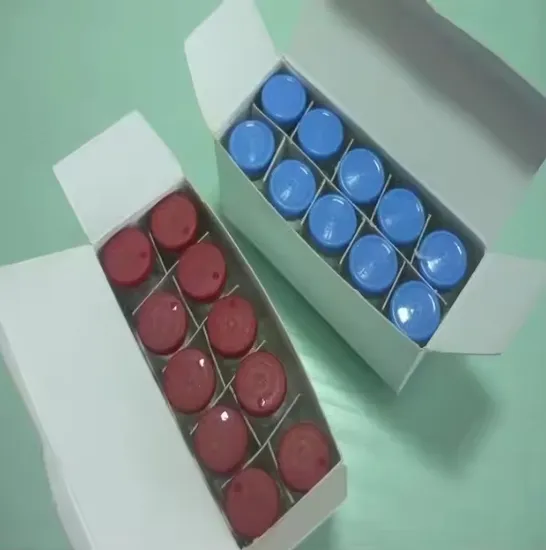
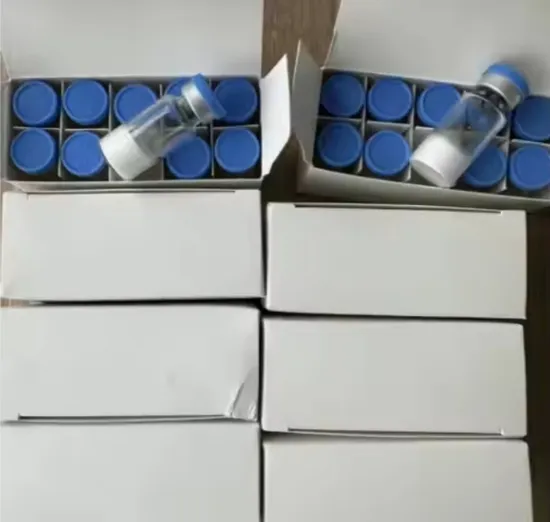
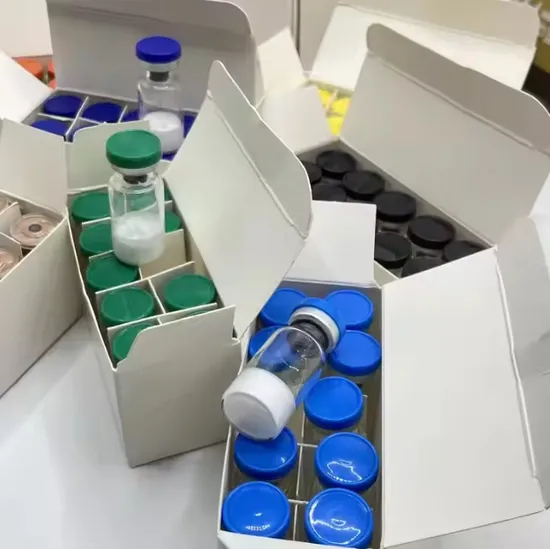
Available in 5 mg, 10 mg, and 15 mg vials |
| Container Type |
Vial / Bottle / Box |
| Certification |
GMP, ISO 9001 |
| Transport Condition |
Global export, temperature-controlled |
| Cold Chain Requirement |
Required (source value — verify against certificate of analysis) |
| Freeze-Thaw Limit |
Aliquot to avoid freeze-thaw cycles |
Intended Use
| Use Category |
Notes |
| Laboratory Research Input |
Supplied as a raw material for in vitro studies on receptor signaling pathways |
| Analytical Reference Material |
Suitable for peptide identification and method development in QC laboratories |
| Pigmentation Mechanism Research |
Intended for laboratory-based investigation of melanogenesis pathways |
| In Vitro Signaling Studies |
Provided for cell-based or biochemical assay development |
Supplied as a raw material for research and manufacturing use. Not for human or veterinary use. Not a finished product.
What a Certificate Cannot Tell You Without the Method
A purity figure is only as reliable as the analytical method printed beside it.
I have watched procurement teams accept a >99% purity claim on a peptide raw material, only to have their own QC lab report a different number weeks later. The root cause is almost always method divergence: the supplier used one set of HPLC conditions, the buyer used another, and the two chromatograms are not directly comparable. Melanotan II (MTII) purity HPLC analytical verification eliminates this friction by documenting the exact column chemistry, gradient profile, and detection wavelength on the batch-specific certificate. [NEED_CITE: HPLC method validation requirements per ICH guidelines]
When the analytical method is absent from the CoA, the receiving laboratory has no baseline for alignment. Retesting becomes a negotiation rather than a confirmation. This is especially common with synthetic peptide analogs where minor sequence-related impurities can shift retention times depending on the stationary phase selected.

Method Transparency for Reproducible QC Alignment
The certificate accompanying each lot of this peptide raw material specifies the HPLC conditions used to determine the stated purity, including column type and mobile phase composition. This allows the receiving laboratory to replicate the separation or, at minimum, to interpret any retention time shifts against a known reference. Melanotan II (MTII) purity HPLC analytical verification is not a single number on a page; it is a reproducible chromatographic record tied to a specific production batch.
Mass Spectrometry Confirmation of Molecular Identity
Beyond chromatographic purity, each batch includes MS data confirming the expected molecular weight of the synthetic peptide analog. Mass spectrometry verification catches truncation products, deletion sequences, and oxidation artifacts that HPLC alone may not resolve. The combination of HPLC and MS provides a two-dimensional identity check that supports confident material release in analytical and research laboratories. [NEED_CITE: peptide identity confirmation by orthogonal analytical methods]
Interpreting the Impurity Profile Against Downstream Needs
Related substance levels are controlled to below the threshold stated on the certificate. For research laboratories developing receptor binding assays or signaling studies, the impurity profile determines whether the material is suitable as a reference standard or requires further in-house purification. Understanding the nature of residual impurities — whether they are synthesis by-products, degradation species, or residual protecting groups — is essential for designing appropriate experimental controls.
The Hidden Cost of Incomplete Analytical Documentation
When a certificate lacks method detail, the downstream cost extends beyond a single rejected shipment. The receiving QC team invests time developing their own method from scratch, method transfer discussions stall, and project timelines slip. In regulated research environments, an undocumented analytical method can invalidate a series of experimental results, requiring costly repetition. [NEED_CITE: impact of analytical method gaps on research reproducibility] Disputes over purity figures consume weeks of correspondence between supplier and buyer quality teams, and in some cases the entire lot is returned without either party identifying the actual source of discrepancy.
Why Laboratories Source This Material Here
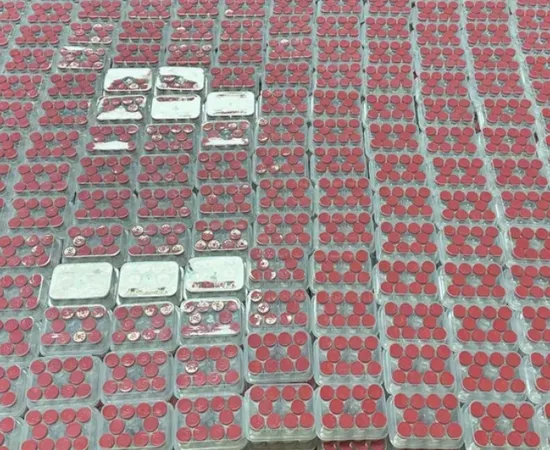
Each shipment includes a batch-specific certificate of analysis that names the HPLC and MS methods used, eliminating ambiguity at the receiving dock. Custom synthesis to buyer-supplied sequence and modification is available when catalog specifications do not match the research requirement. Both research-scale vials and bulk quantities originate from the same production line, ensuring specification consistency across scale-up. Temperature-controlled packing with transit temperature records accompanies every dispatch, providing verifiable cold-chain documentation. Import paperwork is prepared according to the destination country’s regulatory framework, reducing customs clearance delays. Retained samples from each production lot are held on file to support repeat-testing requests or dispute resolution.
Documentation & Traceability
- Batch-specific certificate stating the HPLC method and MS ionization mode for this lot
- Analytical method summary enabling alignment with the buyer’s own QC protocol
- Purity report with chromatographic data tied to a unique batch number
- Mass confirmation report verifying molecular identity against expected sequence
- Cold-chain packing record documenting temperature conditions throughout transit
- Certificate of origin prepared per destination import requirements
Storage, Handling & Shipping
- Store lyophilized vials at -20°C, protected from light, to maintain the 24-month shelf life
- Aliquot reconstituted solutions into single-use portions to prevent freeze-thaw degradation
- Reconstituted material remains stable for approximately one month at 4°C per certificate
- Vials are packed in insulated containers with cold-chain temperature monitoring for export
- Shipping includes temperature-controlled logistics with transit records for customs inspection
- Import documentation is assembled per destination regulatory requirements before dispatch
Requesting a Specification Match
To initiate a technical review, provide the target purity threshold and the analytical method your laboratory uses for incoming material inspection. Specify the required vial size from the available 5 mg, 10 mg, or 15 mg options and the total quantity needed for your project timeline. If your destination market requires specific import certificates or customs documentation, include those requirements with your inquiry so the paperwork package can be prepared before dispatch.
Frequently Asked Questions
Q: Does the certificate include the actual HPLC chromatogram and mass spectrum for my batch?
A: Yes. Each batch-specific certificate of analysis includes the HPLC chromatogram showing retention times and peak integration, along with the mass spectrum confirming molecular identity. The document names the column type, mobile phase, and detection parameters so your QC laboratory can replicate or cross-validate the results using their own instrumentation.
Q: What should I do if our in-house HPLC purity result differs from the supplier CoA?
A: First, compare your HPLC conditions — column, gradient, and detection wavelength — against those stated on the certificate. If methods differ, retention time and peak area shifts are expected. We provide a full analytical method summary upon request, and our retained samples are available for parallel retesting to resolve any discrepancies between the two laboratories.
Q: How is cold-chain integrity verified during transit for this peptide?
A: Every shipment of the lyophilized powder is packed in insulated containers with temperature monitoring devices. Upon delivery, the transit temperature record is accessible to confirm that the -20°C storage condition was maintained throughout the logistics chain. Any temperature excursion is documented and reviewed before the material is released to the end user.
Q: Are retained samples kept for future retesting or dispute resolution?
A: Retained samples from each production batch are stored under controlled conditions at our facility. If a receiving laboratory reports an out-of-specification result, we can perform parallel testing on the retained sample using the original documented method. This traceability supports resolution of analytical disputes without requiring the buyer to return the original shipment.
Q: Can we request custom analytical conditions to match our internal QC method?
A: Yes. If your laboratory uses a specific HPLC method for incoming peptide inspection, we can run that method on the production batch and include the resulting data in the certificate package. This pre-alignment step reduces the likelihood of method-related discrepancies and accelerates material release upon receipt.