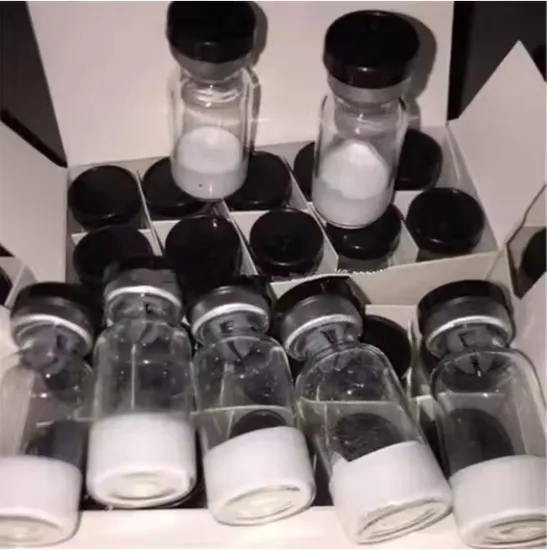
Method-Traceable Specification — every purity and identity value for Ghk-Cu CAS 49557-75-7 is tied to a named analytical technique on the batch certificate, so your QC lab can reproduce the result without guessing the column or detection mode.
Product Specification
| Parameter |
Value |
| Chemical Identity |
Ghk-Cu CAS 49557-75-7 |
| Product Type |
Peptide Raw Material |
| Appearance |
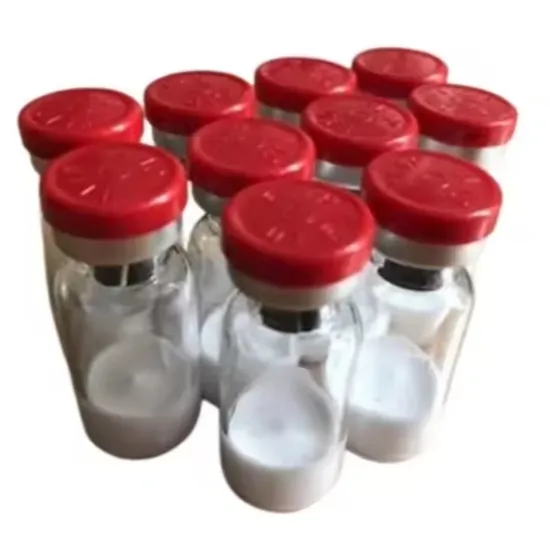
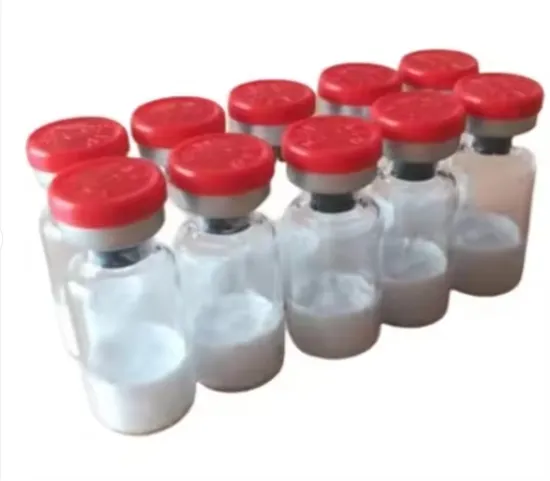
Lyophilized Powder, Blue |
| Purity |
>99% by HPLC (UV detection) |
| Assay Method |
High-performance liquid chromatography (HPLC) with UV detection; identity confirmed by mass spectrometry (MS) |
| Impurity Content |
<0.1% |
| Packaging Size |
50mg |
| Container Type |
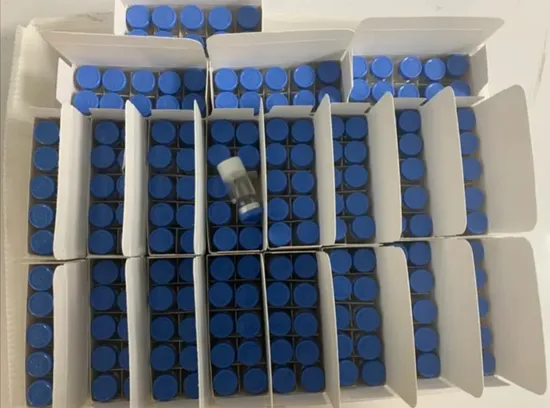
Bottle/Box |
| Storage Temperature |
-20°C, sealed, light-protected |
| Shelf Life |
24 months from production date (lyophilized powder, stored at -20°C sealed, light-protected) |
| Reconstitution Stability |
~1 month at 4°C, ~6 months at -20°C (reconstituted) |
| Reconstitution Concentration |
1–10 mg/mL in sterile water or buffer |
| Freeze-Thaw Limit |
Aliquot to avoid freeze-thaw cycles |
| Certification |
GMP, ISO 9001 |
| Classification |
High Purity Material |
| Property |
Protein and Peptide |
| HS Code |
29371290 |
Intended Use
| Use Category |
Notes |
| Laboratory research input |
Supplied as lyophilized powder for in vitro peptide-metal binding studies and protein structure analysis |
| Analytical reference |
HPLC-UV purity and MS identity data provided for method alignment with buyer QC laboratories |
| Cosmetic formulation raw material |
Research-grade copper peptide intermediate for bioactive material development and peptide delivery system research |
Supplied as a raw material for research and manufacturing use. Not for human or veterinary use. Not a finished product.
What a Certificate Cannot Tell You Without the Method
A CoA that lists "99% purity" without naming the HPLC conditions is a data point you cannot defend when your lab gets a different number. Method transparency is the only way to distinguish a real specification from an unrepeatable claim. When Ghk-Cu CAS 49557-75-7 purity HPLC analytical verification arrives on your bench, the chromatogram must match the column chemistry, mobile phase, gradient, and detection wavelength stated on the certificate — otherwise you are comparing two entirely different assays.
I have seen peptide batches arrive with certificates that read perfectly until the receiving QC lab ran their own HPLC method and found a 3–4 percentage-point gap. The supplier’s response was always the same: "our method is validated internally." Without the actual method parameters — column type, flow rate, gradient profile, injection volume — the buyer has no basis to determine whether the discrepancy is real degradation or simply a difference in separation conditions. [NEED_CITE: HPLC method validation requirements per ICH guidelines] For a tripeptide-copper complex like Ghk-Cu, where the copper coordination state can shift peak shape and retention time, method alignment between supplier and buyer laboratories is not optional.

How HPLC-UV and MS Work Together on This Lot
Purity for Ghk-Cu CAS 49557-75-7 is determined by HPLC with UV detection, which separates the main tripeptide-copper peak from any unbound peptide fragments, free copper species, and synthesis by-products. The UV trace provides a quantitative area-percent readout. Mass spectrometry then confirms the molecular ion of the intact complex, verifying that the blue powder in the vial is actually the Ghk-Cu coordination compound and not a degraded or incorrectly assembled sequence. Together these two techniques close the loop between quantity and identity.
Retained Samples and Batch Traceability for Dispute Resolution
Every dispatched lot of Ghk-Cu CAS 49557-75-7 is backed by a retained sample stored under the same -20°C sealed, light-protected conditions as the shipped material. If your QC re-test produces a result that diverges from the supplied CoA, the retained sample can be retrieved and re-analysed under your method or ours, providing a third data point that resolves the discrepancy without starting from scratch. [NEED_CITE: retained sample management practices per GMP guidelines] Batch traceability is linked to the order number, so documentation retrieval does not depend on whether the original contact at the laboratory is still available.
Reading the Specification Sheet Against Your Own SOP
The impurity content is reported at <0.1%, but that figure is only meaningful when your laboratory uses a comparable HPLC gradient and detection wavelength. A shallower gradient may resolve additional minor peaks that a faster routine method collapses into the baseline, inflating apparent purity. Similarly, the reconstitution stability window — approximately one month at 4°C and six months at -20°C — is based on the lyophilized powder being reconstituted at 1–10 mg/mL in sterile water or buffer. Deviations in solvent composition or concentration outside this range can accelerate copper dissociation and alter the chromatographic profile, leading your QC team to flag a stability issue that is actually a preparation variable. The 50mg packaging size in a sealed bottle is designed to minimize repeated openings; for laboratories that need smaller working portions, aliquoting immediately after reconstitution prevents cumulative freeze-thaw degradation across the batch.
The Hidden Cost of a Specification Mismatch
When the CoA does not state the HPLC method, the receiving laboratory typically defaults to its own validated procedure. If the results disagree, procurement is caught between two sets of data with no agreed reference method to settle the question. Shipments get quarantined, reformulation timelines slip, and the administrative cost of returns often exceeds the material cost itself. [NEED_CITE: financial impact of raw material specification disputes in pharmaceutical supply chains] Cold-chain breaks compound the problem: if Ghk-Cu arrives with no transit temperature record, there is no way to determine whether a purity drop occurred in storage or in transit, and the entire lot becomes unusable for controlled research. Incomplete import documentation adds customs delays on top of the analytical impasse, turning a specification gap into a multi-week supply interruption.
Why Procurement Teams Route Ghk-Cu Through This Channel
Batch-specific certificates of analysis accompany every lot of Ghk-Cu CAS 49557-75-7, with the HPLC-UV method parameters and MS identity data printed directly on the document rather than referenced in a separate file. Custom synthesis to buyer-supplied sequence and modification is available when catalogue grades do not match the research requirement, and the same source handles both 50mg research quantities and bulk scale. Temperature-controlled packing includes transit temperature records so the cold chain is documented from dispatch to delivery, not assumed. Import documentation is prepared per destination country requirement, reducing customs holds for international buyers. Technical support covers specification alignment, handling, and storage questions post-delivery, so analytical queries do not go unanswered once the shipment clears the dock.
Documentation & Traceability
- Batch-specific CoA stating HPLC-UV method parameters and MS identity confirmation for each lot
- Analytical method summary detailing column chemistry, gradient profile, and detection settings
- Purity report with chromatograms provided for buyer-side QC laboratory cross-reference
- Mass spectrometry data confirming tripeptide-copper complex molecular ion
- Safety data sheet covering handling requirements for copper peptide raw material
- Cold-chain packing record with continuous temperature logging throughout transit
Storage, Handling & Shipping
- Store Ghk-Cu lyophilized powder at -20°C in original sealed bottle, protected from light
- Aliquot reconstituted solution immediately to avoid repeated freeze-thaw cycles degrading the copper complex
- Reconstituted material is stable approximately one month at 4°C or six months at -20°C
- Temperature-controlled dispatch with transit records accompanies every shipment of this blue lyophilized powder
- 50mg bottle format minimizes headspace exposure and reduces moisture ingress risk during storage
- Full import documentation package prepared to destination country customs requirements
Preparing Your Specification Enquiry
To move forward, share the HPLC method your QC laboratory uses for peptide purity testing so we can confirm method alignment before dispatch. Specify whether you need the Ghk-Cu lyophilized powder in 50mg research units or a bulk configuration, and indicate any particular documentation requirements for your destination country’s import process. If your laboratory plans to use the retained sample for ongoing stability benchmarking, note that requirement at the enquiry stage so the retention protocol is linked to your order from the start.
Frequently Asked Questions
Q: How is the purity of Ghk-Cu determined and which analytical method is stated on the CoA?
A: Purity is determined by high-performance liquid chromatography with UV detection. The batch-specific certificate of analysis names the column type, mobile phase composition, gradient profile, and detection wavelength used for that particular lot, so your QC team can replicate the conditions exactly rather than guessing the method parameters.
Q: Can HPLC chromatograms and MS data be provided for our QC lab to repeat the analysis?
A: Yes. The documentation package includes the HPLC chromatogram showing peak integration for the tested lot, along with mass spectrometry data confirming the molecular ion of the Ghk-Cu complex. These are supplied alongside the CoA so your analytical laboratory has the raw data needed for method alignment.
Q: What happens if our re-test results do not match the supplied CoA?
A: A retained sample from the same lot is stored under identical -20°C conditions. If a discrepancy arises, this sample can be retrieved and re-analysed using either your laboratory’s method or ours, providing a reference data point to identify whether the gap originates from method differences or material changes.
Q: How are retained samples managed and can they be retrieved for batch re-testing?
A: Retained samples are archived under the same -20°C sealed, light-protected storage conditions as the shipped material. Each retained sample is linked to the order number and batch record, and retrieval for re-testing can be initiated by referencing your purchase order at any point during the 24-month shelf life window.
Q: What storage conditions and shelf life are specified for the lyophilized powder?
A: The Ghk-Cu lyophilized blue powder carries a 24-month shelf life from the production date when stored at -20°C in its original sealed bottle, protected from light. Once reconstituted at 1–10 mg/mL, stability is approximately one month at 4°C or six months at -20°C with aliquoting to prevent freeze-thaw damage.