Analytical Verification Alignment — Every dispatched vial of GHK-Cu Copper Peptide carries a batch-specific certificate of analysis generated from the exact lot shipped, with full HPLC method parameters and mass spectrometry confirmation documented before release.
Product Specification
| Parameter |
Value |
| Chemical Identity |
GHK-Cu Copper Peptide |
| Product Type |
Peptide Raw Material |
| Appearance |
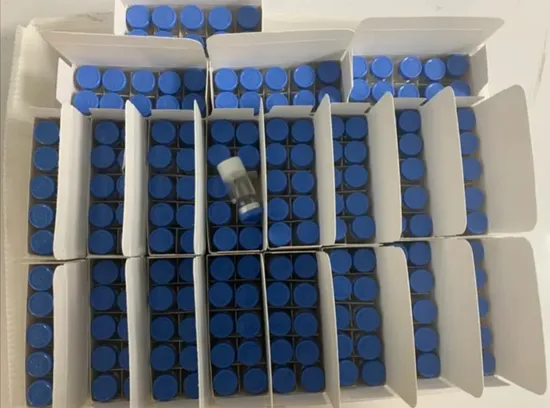
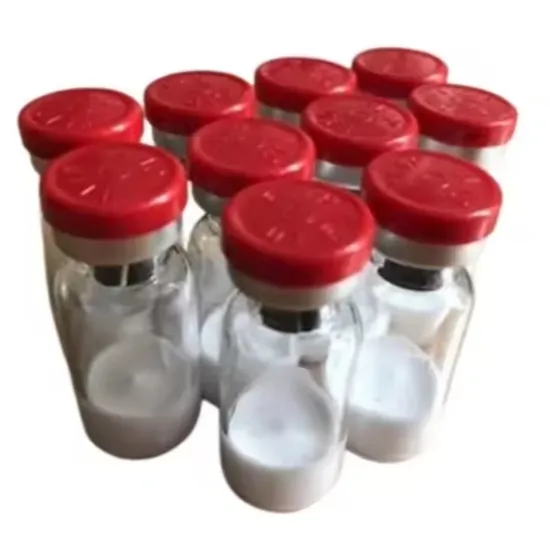
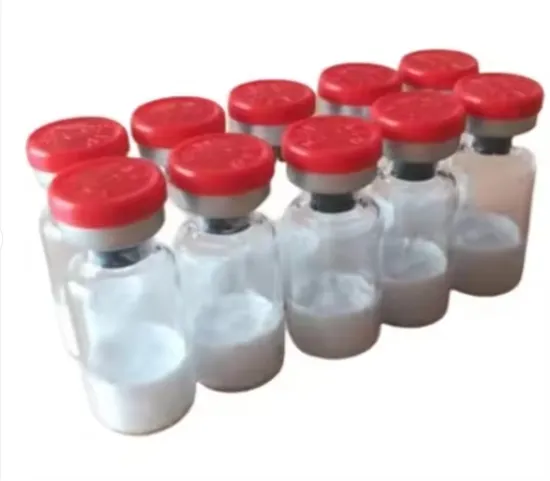
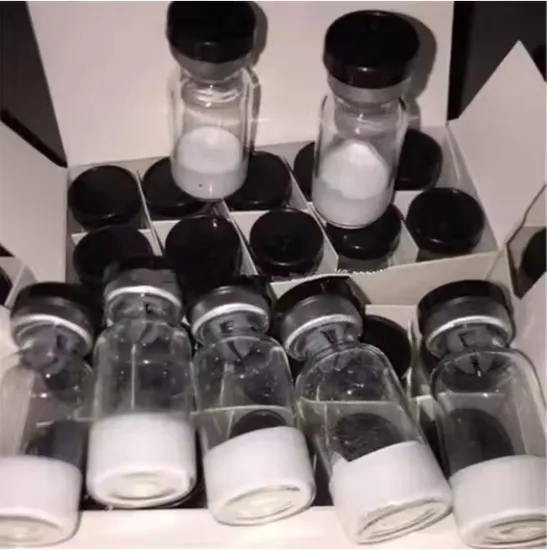
Blue Lyophilized Powder |
| Purity |
>99% by HPLC with UV detection |
| Identity Verification |
Mass spectrometry per batch |
| Packaging |
50 mg per vial, bottle/box |
| Storage |
-20°C, sealed, light-protected |
| Shelf Life |
24 months from manufacturing date (lyophilized, sealed at -20°C) |
| Reconstitution Stability |
Approximately 1 month at 4°C; approximately 6 months at -20°C |
| Reconstitution Solvent |
Sterile water or buffer (1–10 mg/mL) |
| Freeze-Thaw Handling |
Aliquot after reconstitution to avoid repeated freeze-thaw cycles |
| Certification |
GMP, ISO 9001 |
| Handling Precautions |
Wear appropriate PPE when handling |
| Transport |
Global export with customs clearance documentation |
| HS Code |
29371290 |
Intended Use
| Use Category |
Notes |
| Laboratory research input |
Supplied as lyophilized powder; reconstitute prior to analytical workflows |
| In vitro research on peptide-metal ion binding dynamics |
Identity confirmed by mass spectrometry for complexation studies |
| Metallopeptide interaction studies |
>99% HPLC purity supports controlled variable isolation in assay design |
| Analytical reference material |
Batch-specific COA with named methods enables QC lab method alignment |
Supplied as a raw material for research and manufacturing use. Not for human or veterinary use. Not a finished product.
Why Two Labs Report Different Purity on the Same GHK-Cu Copper Peptide Batch
Purity numbers diverge when HPLC conditions are not identical between testing laboratories.
I once spent a full month exchanging emails with a QC team whose re-test showed GHK-Cu Copper Peptide purity several tenths of a percent lower than the COA stated. The root cause was a different column temperature and flow rate on their HPLC system. Once both labs aligned on gradient slope, detection wavelength, and column specifications, the numbers converged within method tolerance. This is why every certificate we issue names the exact analytical method rather than a headline figure. [NEED_CITE: HPLC method transfer protocols for peptide purity verification]

HPLC Method Transparency for Repeat Testing
The stated GHK-Cu Copper Peptide purity of >99% is determined by HPLC with UV detection, and the specific column type, mobile phase gradient, flow rate, and detection wavelength are recorded in the analytical method summary that accompanies each shipment. When a buyer’s QC laboratory repeats the analysis, having these parameters eliminates guesswork and reduces the likelihood of method-induced variation. Identity is independently confirmed by mass spectrometry on every batch, providing orthogonal verification beyond chromatographic retention time.
Mass Spectrometry as a Second Analytical Gate
Chromatographic purity alone cannot confirm that the correct peptide-metal complex is present in the vial. Mass spectrometry verifies the molecular identity of GHK-Cu Copper Peptide by matching the observed mass-to-charge ratio against the expected value for the copper-bound tripeptide complex. This two-method approach — HPLC for purity, MS for identity — ensures that the material received matches both the compositional and structural expectations documented on the certificate. [NEED_CITE: orthogonal analytical methods for peptide identity confirmation]
How Lyophilization and Storage Parameters Affect Specification Integrity
The blue lyophilized powder form is selected for its stability during storage at -20°C in sealed, light-protected containers. Lyophilization removes bulk water that would otherwise accelerate hydrolytic degradation of the peptide backbone and promote copper dissociation from the GHK coordination complex. The 24-month shelf life specification applies only to unopened vials maintained continuously at -20°C. Once reconstituted in sterile water or buffer at 1–10 mg/mL, the solution should be aliquoted immediately — repeated freeze-thaw cycles introduce thermal stress that can shift the impurity profile detectable on subsequent HPLC analysis.
The Hidden Cost of Incomplete Analytical Documentation
A certificate of analysis that omits the HPLC method parameters creates a verification gap that often surfaces only after the material has cleared customs and entered the buyer’s laboratory. When the receiving QC team cannot reproduce the stated purity, the default assumption is that the batch is out of specification — triggering a dispute that delays downstream research timelines and consumes personnel hours on both sides. Retained samples from each dispatched batch allow independent re-testing under aligned conditions, converting what would be an unverifiable disagreement into a resolvable analytical question. [NEED_CITE: retained sample protocols for peptide batch dispute resolution]
Procurement Aligned with Your Laboratory’s QC Standards
Every batch of GHK-Cu Copper Peptide ships with a certificate of analysis generated from pre-dispatch testing on the specific vial sent, not from a generic template applied across multiple lots. The analytical method summary provides the exact HPLC conditions — column, gradient, flow rate, temperature, detection wavelength — so your QC team can replicate the analysis without reverse-engineering parameters. Retained samples from each production lot remain available for post-delivery comparison testing if a specification question arises. Import documentation is prepared according to destination-country requirements, reducing the risk of customs holds that compromise the cold chain. Technical support on storage, handling, and reconstitution is provided after delivery to ensure the material arrives at your bench in the condition documented on the certificate.
Documentation & Traceability
- Batch-specific COA stating the HPLC method and UV detection parameters used for this GHK-Cu lot
- Mass spectrometry identity report confirming the copper-peptide complex molecular mass per batch
- Analytical method summary with column type, gradient, flow rate, and temperature for QC alignment
- Retained sample from each production lot available for post-delivery re-test or audit
- Certificate of origin and import paperwork prepared per destination regulatory requirements
- Safety data sheet covering handling precautions for the lyophilized copper peptide powder
Storage, Handling & Shipping
- Store GHK-Cu vials at -20°C in original sealed, light-protected containers until use
- Aliquot reconstituted solution immediately to eliminate repeated freeze-thaw degradation
- Maintain reconstituted material at 4°C for short-term use or -20°C for extended storage
- Temperature-controlled packing with transit temperature records accompanies each shipment
- Global export dispatch with HS Code 29371290 and destination-specific customs documentation
- Wear appropriate PPE when handling the blue lyophilized powder in the laboratory environment
Request a Specification and Documentation Package
To proceed with an inquiry, provide the required quantity, your QC laboratory’s HPLC method parameters for alignment, and the import documentation requirements specific to your destination country. If your team requires retained samples for audit purposes or third-party testing reports, note this in your initial request so the documentation package can be assembled before quotation. For custom lot sizes beyond the standard 50 mg vial, indicate the target scale and any additional analytical testing your protocol demands.
Frequently Asked Questions
Q: How is GHK-Cu Copper Peptide purity verified and which analytical methods are used?
A: Purity is determined by HPLC with UV detection, and the specific column, gradient, flow rate, and detection wavelength are documented in the analytical method summary provided with each shipment. Identity is independently confirmed by mass spectrometry on every batch, giving you two orthogonal data points rather than a single chromatographic figure.
Q: How does the batch-specific COA correspond to the actual vial received?
A: The certificate of analysis is generated from pre-shipment testing performed on the exact production lot dispatched. Each COA references the specific batch number printed on the vial label, and retained samples from that same lot are archived for potential re-test or audit comparison after delivery.
Q: What support is available if the buyer’s QC re-test result differs from the COA?
A: We provide the full analytical method summary so your laboratory can align HPLC conditions with those used during release testing. If a discrepancy persists, retained samples from the dispatched batch can be re-tested under mutually agreed parameters, and our technical team will review chromatograms with your QC staff to identify the source of variation.
Q: What are the recommended storage conditions and shelf life specifications?
A: Unopened vials of the blue lyophilized powder should be stored sealed at -20°C protected from light, with a shelf life of 24 months from the manufacturing date. After reconstitution in sterile water or buffer at 1–10 mg/mL, aliquot immediately and store at 4°C for approximately one month or at -20°C for approximately six months.
Q: Are retained samples and repeat-testing data available for audit purposes?
A: Yes. A retained sample from every production batch is archived and can be accessed for post-delivery re-testing or third-party analytical verification. This practice ensures that any specification inquiry can be resolved by comparing the buyer’s retained vial against the archived sample under aligned analytical conditions.