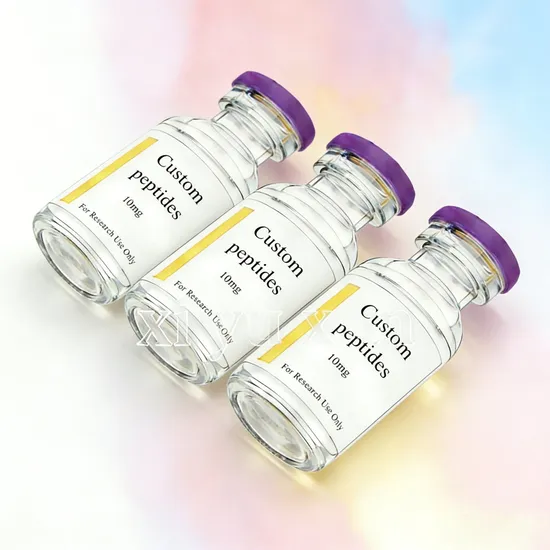
Analytical Method Transparency — Every Certificate of Analysis explicitly names HPLC as the purity determination method for GHK-Cu, eliminating ambiguity during buyer QC re-verification.
Product Specification
| Parameter |
Value |
| Chemical Identity |
GHK-Cu, 89030-95-5 |
| Product Type |
Cosmetic Peptide Ingredient |
| EC Number |
89030-95-5 |
| Structure Notes |
Copper complex of glycyl-L-histidyl-L-lysine (tripeptide) |
| Grade |
Cosmetic Grade |
| Purity |
>99% by HPLC |
| Appearance |
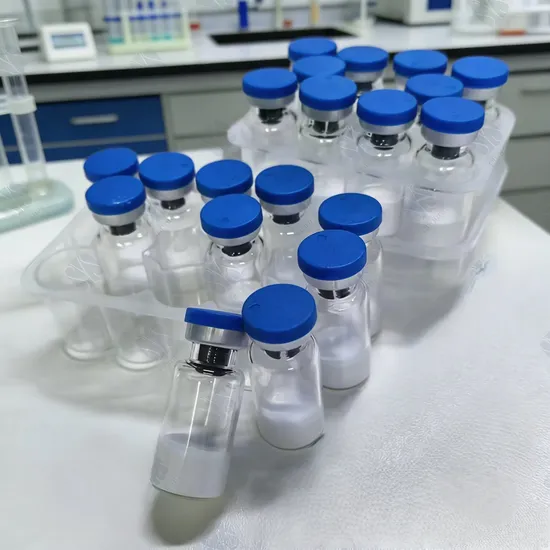
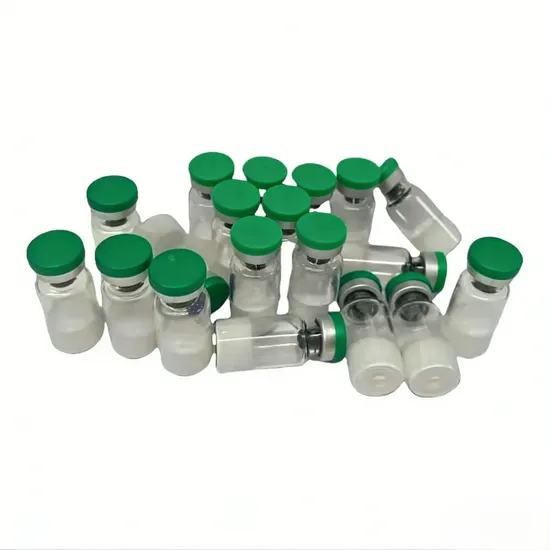
Lyophilized Powder |
| Packaging Size |
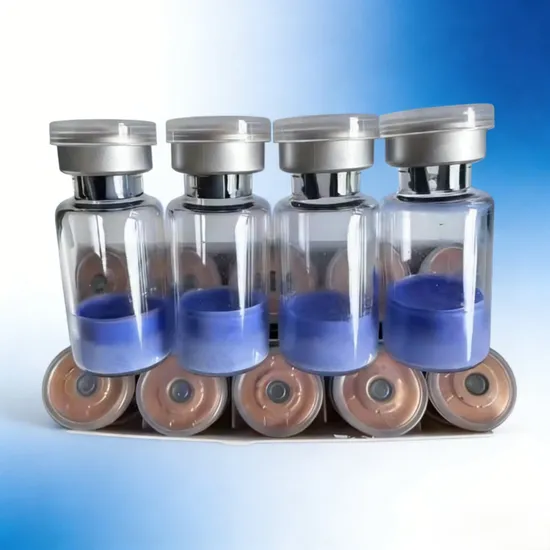
Available in 5mg, 10mg, 15mg per vial |
| Container Type |
Bottle/Box |
| Storage Temperature |
-20°C, sealed, light-protected |
| Shelf Life |
24 months from manufacturing date (lyophilized, stored at -20°C) |
| Standards |
USP, EP, GMP-standard workshop |
| HS Code |
29371290 |
| Origin |
China |
Intended Use
| Use Category |
Notes |
| Cosmetic formulation raw material |
Compatible with peptide ingredient development workflows |
| Laboratory research input |
Suitable for in-vitro studies on peptide-metal complex behavior |
| Analytical reference material |
Applicable for HPLC method development and system suitability |
| Synthesis intermediate |
Can serve as input for complex peptide conjugation projects |
Supplied as a raw material for research and manufacturing use. Not for human or veterinary use. Not a finished product.
Why Two Labs Report Different Purity on the Same GHK-Cu Batch
Discrepancies usually stem from unaligned HPLC conditions rather than actual batch quality.
I once shipped a batch of GHK-Cu Lyophilized Powder to a European QC laboratory. Their reported purity was significantly lower than our certificate stated. After weeks of back-and-forth, we discovered their HPLC column chemistry and mobile phase gradient differed from ours, causing peak integration to shift. Once both labs aligned on the exact method parameters — column type, flow rate, and wavelength — the results converged. [NEED_CITE: HPLC method validation requirements per ICH guidelines] This experience shaped our documentation standard: every Certificate of Analysis for this copper peptide now includes the specific analytical conditions used, so your lab can replicate them from day one.

What the CoA Chromatogram Tells Your QC Lab
Receiving a Certificate of Analysis without an accompanying chromatogram is like reading a summary without the raw data. For GHK-Cu copper peptide purity HPLC analytical verification, the chromatogram reveals peak shape, resolution, and integration boundaries that a single percentage value cannot convey. We supply the full chromatographic record upon request, allowing your analytical team to inspect the separation quality before committing the material to formulation or further research workflows.
Retained Samples and Batch-Level Traceability
Each production batch of GHK-Cu is assigned a unique lot number, and a retained sample is archived under controlled conditions. If your QC laboratory obtains an unexpected result during incoming inspection, we can retrieve the retained sample and run a side-by-side re-analysis under identical HPLC conditions. [NEED_CITE: Good Manufacturing Practice retained sample requirements] This traceability protocol reduces dispute resolution time from weeks to days and provides a documented chain of evidence that satisfies both internal quality systems and regulatory audits.
How Specification Parameters Affect Downstream Work
The stated purity of >99% by HPLC means that the chromatographic method is explicitly named and reproducible. When impurity content is controlled through high-efficiency purification, residual related substances — such as deletion sequences or metal-free tripeptide — remain below thresholds that could interfere with cosmetic formulation stability studies. The lyophilized powder form ensures low moisture content, which protects the copper-peptide coordination bond during storage at -20°C. Pre-aliquoted vials in 5mg, 10mg, and 15mg sizes eliminate repeated weighing of a bulk container, reducing both hygroscopic exposure and cross-contamination risk. Once reconstituted, stability is limited, so aliquoting into single-use volumes before refreezing at -20°C minimizes freeze-thaw degradation cycles that can disrupt the copper complex.
The Cost of Receiving an Incomplete Documentation Package
When a shipment of cosmetic peptide ingredient arrives at customs without a Certificate of Origin or the import paperwork does not match the declared HS Code, the entire consignment can be held in a non-temperature-controlled warehouse for days. For a lyophilized peptide requiring -20°C storage, even a brief customs delay without cold-chain monitoring compromises the material’s integrity. [NEED_CITE: cold chain packaging standards for temperature-sensitive materials] Incomplete documentation also forces procurement teams into reactive correspondence with freight forwarders and customs brokers, adding indirect costs that far exceed the raw material invoice value. Our documentation package is assembled per destination requirement before dispatch to prevent this scenario.
Why Procurement Teams Source This Material Here
Every Certificate of Analysis we issue is tied to the specific batch shipped, not a generic template reused across lots. HPLC chromatograms are available for independent cross-verification against your laboratory’s own method. Custom synthesis to buyer-supplied sequence and modification is available when catalogue grades do not match your project requirements. Temperature-controlled packing with transit records accompanies every shipment, providing documented proof of cold-chain continuity from our facility to your receiving dock. Import documentation — including Certificate of Origin, safety data sheet, and customs paperwork — is prepared according to destination-country requirements, reducing the risk of port delays.
Documentation & Traceability
- Batch-specific Certificate of Analysis naming HPLC conditions used for this lot
- HPLC chromatograms supplied on request for buyer QC cross-verification
- Retained sample archived per batch for future re-testing and dispute resolution
- Safety data sheet with hazard classification and handling guidance
- Certificate of Origin and import paperwork prepared per destination requirement
- Cold-chain packing record with temperature transit log
Storage, Handling & Shipping
- Store GHK-Cu lyophilized powder at -20°C in sealed, light-protected vials to preserve copper complex integrity
- Limit freeze-thaw cycles of reconstituted solutions; aliquot before storage at -20°C or 4°C
- Pre-aliquoted 5mg, 10mg, 15mg vials reduce repeated opening and hygroscopic exposure
- Temperature-controlled packing with transit data logger ships with every consignment
- Full import documentation package assembled per destination customs requirements
What to Include in Your Inquiry
To ensure specification alignment, please provide the HPLC method your QC laboratory uses for incoming inspection, along with any acceptance criteria your quality system requires. Specify the vial size and total quantity needed so we can confirm packaging configuration and lead time. If your destination country requires specific import documentation or regulatory paperwork, list those requirements in your initial inquiry to avoid delays during dispatch.
Frequently Asked Questions
Q: How does the Certificate of Analysis correspond to the specific batch I received?
A: Each CoA is generated against the exact lot number printed on your vial label. The certificate lists the HPLC method, column type, mobile phase, and detection wavelength used for that specific batch, ensuring the data you review matches the material in hand rather than a generic specification sheet.
Q: What analytical method determines the stated purity, and can I review the chromatogram?
A: Purity is determined by HPLC, and the method parameters are recorded on the batch-specific CoA. Full chromatograms showing peak integration, resolution, and baseline are supplied upon request, enabling your QC laboratory to perform a direct visual comparison before accepting the shipment.
Q: My QC lab obtained a different purity result — how are discrepancies handled?
A: We retrieve the retained sample from the same batch and re-analyze it under your laboratory’s HPLC conditions. This side-by-side comparison isolates whether the variance originates from method differences or material quality, and a detailed investigation report is provided to resolve the discrepancy.
Q: What storage conditions apply to the lyophilized powder versus the reconstituted solution?
A: The lyophilized powder is stable for 24 months when stored sealed at -20°C, protected from light. Reconstituted solutions maintain stability for approximately one month at 4°C or six months at -20°C, though minimizing freeze-thaw cycles is recommended to preserve the copper-peptide complex.
Q: Do you retain samples from each production batch?
A: Yes. A retained sample from every batch is archived under controlled storage conditions. These samples support future re-verification, stability trending, and dispute resolution if your incoming QC results require cross-checking against the original production lot.