Batch-Specific Analytical Alignment — Every shipment carries a COA naming the exact HPLC column, gradient, and detection wavelength so your QC laboratory can reproduce the stated purity without method guesswork.
Product Specification
| Parameter |
Value |
| Product Type |
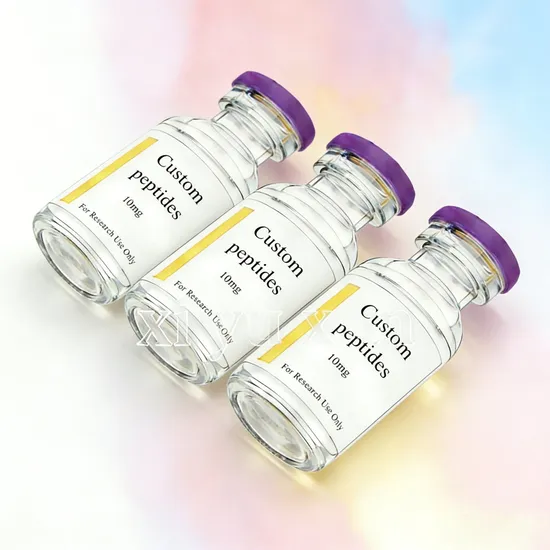
Custom Synthesized Peptide |
| Form |
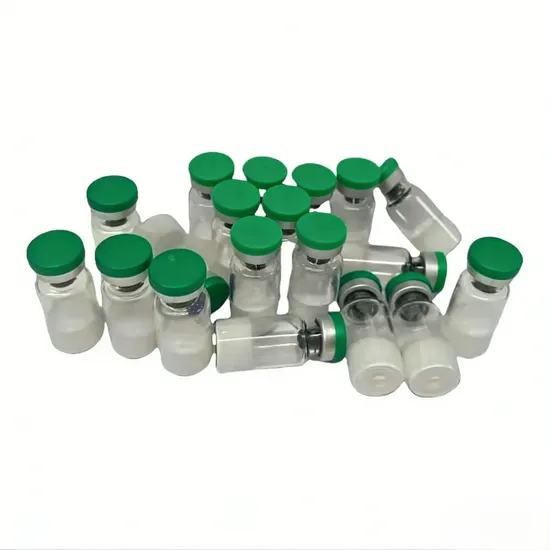
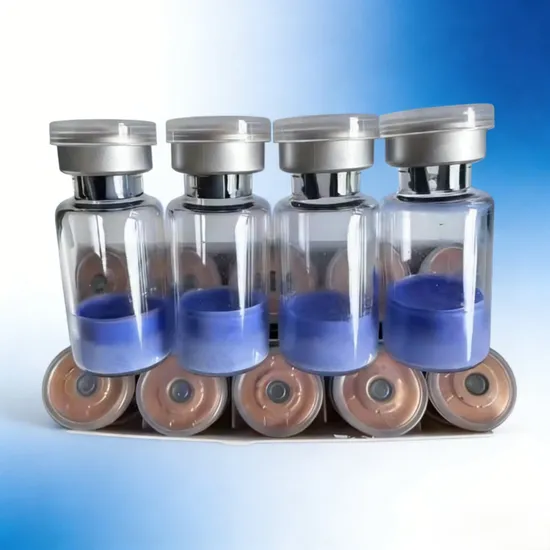
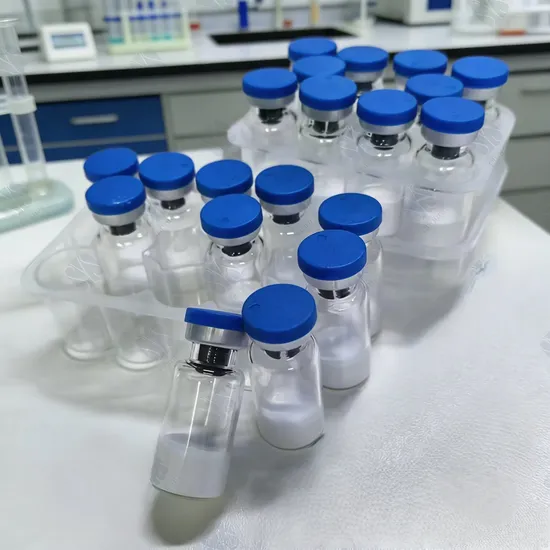
Lyophilized Powder |
| Purity |
≥99.0% by HPLC |
| Assay Method |
HPLC |
| Technology |
Chemical Synthesis |
| Available Sizes |
10 mg, 15 mg, 20 mg, 30 mg |
| Container |
Sealed bottle |
| Storage |
−20 °C, sealed, light-protected |
| Shelf Life |
Up to 24 months from manufacturing date (lyophilized, −20 °C) |
| Reconstitution Stability |
Approximately 1 month at 4 °C; approximately 6 months at −20 °C |
| Reconstitution Guidance |
Sterile water or buffer to 1–10 mg/mL |
| Freeze-Thaw Limit |
Avoid repeated cycles; aliquot recommended |
| Origin |
China |
| HS Code |
29371290 |
| Production Standard |
GMP-standard facilities |
Intended Use
| Use Category |
Notes |
| Laboratory research input |
Supplied as raw material for peptide chemistry and protein interaction studies |
| Analytical reference material |
Suitable for assay development and quantitative analysis workflows |
| Structural biology research |
Lyophilized form supports long-term stability for repeated analytical runs |
| Pharmaceutical compound development |
Used as an intermediate input in early-stage compound research |
Supplied as a raw material for research and manufacturing use. Not for human or veterinary use. Not a finished product.
Why Two Labs Report Different Purity on the Same Research Peptides Batch
A certificate without a named method is a number without context.
When a receiving laboratory re-tests a lyophilized peptide powder and observes a purity value that diverges from the supplier COA, the most common root cause is a mismatch in HPLC gradient, column chemistry, or detection wavelength rather than a true quality failure. Research Peptides purity HPLC analytical verification only becomes meaningful when both parties reference the same method parameters. Without that alignment, procurement teams face delays, disputed batches, and repeated shipping cycles that stall downstream projects. [NEED_CITE: HPLC method validation requirements per ICH guidelines]
Method Transparency as the Foundation of Repeat Testing
Every batch of this custom synthesized peptide ships with a COA that names the HPLC method used, including column type, mobile phase gradient, and UV detection wavelength. This level of documentation allows the buyer’s QC laboratory to set up an equivalent method and confirm the ≥99.0% purity claim against the same chromatographic conditions. Method summaries are available on request before dispatch so that analytical teams can prepare their instruments in advance.
Retained Samples and Batch-Level Traceability
A retained sample from each production lot is archived under controlled conditions, enabling re-testing if the buyer’s results diverge from the original COA. Batch traceability records link every vial back to its synthesis run, cleavage batch, and lyophilization cycle. When a discrepancy arises, both laboratories can compare chromatograms from the same physical material rather than debating whether the tested samples were identical. [NEED_CITE: retained sample requirements under GMP guidelines for raw materials]
Reading the Specification Beyond the Purity Number
The stated ≥99.0% by HPLC reflects the area-percent of the target peak against all detected related substances under the specified gradient. Lyophilized powder form minimizes hydrolytic degradation during storage at −20 °C, preserving the impurity profile documented at release. Reconstitution in sterile water or buffer at 1–10 mg/mL is recommended to maintain solution stability, with aliquoting advised to prevent freeze-thaw degradation that can shift the impurity spectrum over time. The 24-month shelf life applies only when the sealed container remains at −20 °C and protected from light, as thermal excursions accelerate deamidation and oxidation pathways visible on HPLC.

The Hidden Cost of an Incomplete Certificate
A COA that states purity without naming the analytical method leaves the receiving laboratory unable to distinguish a genuine out-of-specification result from a method-related artifact. This ambiguity triggers investigation workflows, repeat shipments, and project timeline extensions that compound across multiple research cycles. Incomplete import documentation further risks customs holds at destination ports, adding storage fees and cold-chain exposure to an already delayed delivery. [NEED_CITE: customs documentation requirements for peptide raw material imports]
Procurement Backed by Analytical Infrastructure
Documentation packages are assembled per destination requirement, including certificate of origin and safety data sheets that accompany each dispatch. Temperature-controlled packing with transit records ensures the −20 °C storage condition is maintained from warehouse to receiving dock. Technical support extends beyond delivery, covering specification interpretation, method alignment queries, and repeat-testing coordination between laboratories. Custom synthesis to buyer-supplied sequence is available from research to bulk scale, with specification agreements confirmed before production begins. Small research quantities and larger bulk orders originate from the same quality system, ensuring analytical consistency across project phases.
Documentation & Traceability
- Batch-specific COA naming the HPLC column, gradient, and wavelength for this lot
- Analytical method summary provided for buyer QC laboratory alignment
- Retained sample archived per production lot for dispute re-testing
- Certificate of origin prepared according to destination country import rules
- Safety data sheet matching the lyophilized powder form and transport classification
- Mass spectrometry confirmation report verifying peptide identity per batch
Storage, Handling & Shipping
- Store sealed bottles at −20 °C to maintain the 24-month shelf life
- Protect lyophilized powder from light to prevent photo-degradation
- Aliquot reconstituted solutions to avoid freeze-thaw cycles
- Reconstituted material stable approximately 1 month at 4 °C or 6 months at −20 °C
- Temperature-controlled dispatch with transit logging for cold-chain verification
- Import documentation prepared per destination regulatory requirements
What to Include in Your Inquiry
Provide the target sequence, required purity threshold, and preferred HPLC method if your laboratory will re-test on receipt. Specify the packaging size needed from the available 10 mg, 15 mg, 20 mg, or 30 mg options and the number of vials per batch. Share any destination-specific import documents your customs broker requires so the paperwork package can be prepared before dispatch.
Frequently Asked Questions
Q: How does the COA correspond to the specific batch received?
A: Each vial label carries a batch number that matches the COA enclosed with the shipment. The certificate references the exact production lot, lyophilization cycle, and HPLC run that generated the purity and identity data, ensuring full traceability between the physical material and its analytical documentation.
Q: What analytical method determines the stated purity?
A: Purity is reported as ≥99.0% by HPLC, and the COA names the specific column chemistry, mobile phase gradient, flow rate, and detection wavelength. A method summary document is available on request so your laboratory can replicate the conditions for independent verification.
Q: How are discrepancies between supplier COA and buyer QC results resolved?
A: A retained sample from the same production lot is available for parallel re-testing. Both laboratories compare chromatograms obtained under aligned method parameters, and a joint investigation identifies whether the divergence stems from method differences, sample handling, or instrument calibration rather than material quality.
Q: What storage conditions apply after reconstitution?
A: Reconstituted solutions remain stable for approximately one month at 4 °C or approximately six months at −20 °C when stored in sealed, light-protected containers. Aliquoting is recommended to avoid repeated freeze-thaw cycles that can alter the impurity profile detected by HPLC.
Q: Is retained-sample support available after delivery?
A: Yes. An archived sample from each production batch is held under controlled storage conditions. If the buyer’s QC laboratory requires a side-by-side comparison or repeat analysis, the retained material can be retrieved and tested using the same HPLC method documented on the original COA.