Batch-Specific Method Transparency — Every lot of Ghk-Cu Blue Copper Peptide ships with a CoA that names the HPLC column, gradient and MS conditions used, so your QC team can repeat the assay without method guessing.
Product Specification
| Parameter |
Value |
| Chemical Identity |
Ghk-Cu Blue Copper Peptide | EINECS 89030-95-5 |
| Product Type |
Cosmetic Peptide Ingredient |
| Structure |
Tripeptide coordinated with copper ions |
| Synthesis Technology |
Chemical Synthesis |
| Appearance |
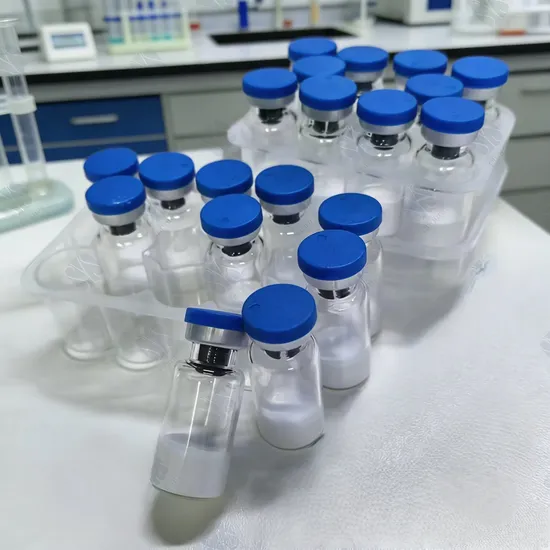
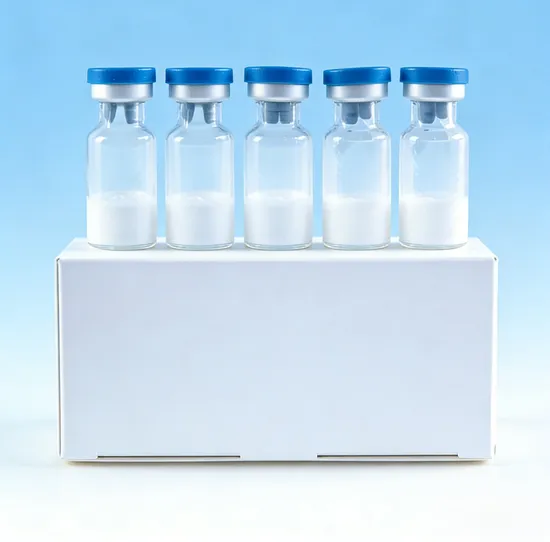
Lyophilized powder |
| Purity |
>99% by HPLC |
| Assay Methods |
HPLC, MS, Visual Inspection |
| Grade |
Cosmetic Grade |
| Quality Standards |
USP, EP, GMP-standard facilities |
| Storage Temperature |
-20°C, sealed, light-protected |
| Shelf Life |
24 months from date of manufacture (unopened vials at -20°C) |
| Reconstituted Stability |
~1 month at 4°C, ~6 months at -20°C |
| Reconstitution Solvent |
Sterile water or buffer to 1–10 mg/mL |
| Freeze-Thaw Limit |
Aliquot to avoid freeze-thaw cycles |
| Packaging Size |
5mg, 10mg, 15mg vials |
| Container Type |
Vial |
| MOQ |
5mg |
| Production Capacity |
10000GS/Year |
| Delivery Time |
10 days |
| Origin |
China |
| HS Code |
29371290 |
Intended Use
| Use Category |
Notes |
| Cosmetic formulation raw material |
Compatible with aqueous and buffer-based formulation systems |
| Laboratory research input |
Suitable for in vitro peptide stability and characterization studies |
| Analytical reference material |
Batch-specific CoA supports method validation and instrument calibration workflows |
| Formulation compatibility testing |
Lyophilized format allows controlled reconstitution for matrix interaction studies |
| Raw material characterization |
Full analytical documentation package enables independent verification |
Supplied as a raw material for research and manufacturing use. Not for human or veterinary use. Not a finished product.
Why Two Labs Report Different Purity on the Same Ghk-Cu Batch
Purity is not a single number — it is the output of a defined analytical method, and method mismatch is the leading cause of CoA disputes.
When a buyer receives a Certificate of Analysis stating >99% purity without naming the column chemistry, mobile phase gradient or detection wavelength, their own QC laboratory has no basis to reproduce the result. A cosmetic formulator once rejected a batch of copper-coordinated tripeptide because the supplier CoA omitted the HPLC conditions entirely — the buyer’s lab ran a different gradient and recorded a lower value. The material was likely consistent; the methods were not aligned. Ghk-Cu Blue Copper Peptide purity HPLC analytical verification eliminates this gap by documenting the exact parameters used for each release decision. [NEED_CITE: HPLC method validation requirements per ICH guidelines]

Aligning the Buyer’s QC Method With the Release Method
Ghk-Cu Blue Copper Peptide purity HPLC analytical verification begins with a fully documented method summary accompanying each shipment. The CoA specifies the column type, mobile phase composition, flow rate, gradient profile and detection wavelength used during release testing. Mass spectrometry confirmation is included to verify the molecular ion and copper coordination state. This level of detail means the receiving laboratory can set up an equivalent method on their own instrumentation and obtain a comparable chromatogram within a single working session rather than weeks of troubleshooting.
Retained Samples Enable Independent Re-Verification
Every production batch retains archived samples stored under controlled conditions at the manufacturing facility. If a buyer’s QC team observes a chromatographic discrepancy during incoming inspection, the retained sample can be re-tested using either the original release method or the buyer’s in-house protocol. This side-by-side comparison isolates whether the deviation stems from method differences, instrument calibration drift or a genuine batch-level anomaly. Retained samples are maintained throughout the labeled shelf life of the product. [NEED_CITE: retained sample protocols for peptide raw materials]
Reading the Specification Beyond the Purity Number
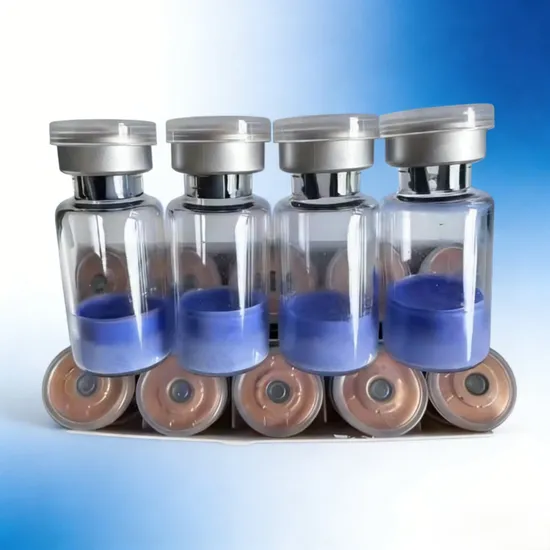
The stated purity value carries meaning only within the context of the analytical conditions that produced it. For Ghk-Cu Blue Copper Peptide, the HPLC method is designed to resolve the copper-coordinated tripeptide from uncoordinated peptide fragments, free copper ions and synthesis-related impurities. The MS assay independently confirms the expected mass-to-charge ratio for the copper complex. Visual inspection of the lyophilized powder provides a rapid identity check — the characteristic blue color indicates proper co*ays create a specification framework where identity, purity and physical appearance are each independently established. The choice of reconstitution solvent and concentration range also affects downstream analytical readings; the product documentation specifies sterile water or buffer at 1–10 mg/mL to standardize this variable across laboratories. Freeze-thaw cycling after reconstitution can promote peptide aggregation and copper dissociation, which is why aliquoting into single-use volumes before freezing is documented in the handling guidelines. Storage at -20°C in sealed, light-protected vials preserves both the peptide backbone integrity and the copper coordination chemistry throughout the 24-month shelf life.
The Hidden Cost of Incomplete Analytical Documentation
A Certificate of Analysis that omits the analytical method forces the buyer’s QC team into a costly cycle of method development, validation and repeat testing before they can confirm whether the received material matches the stated specification. Each iteration consumes laboratory hours, reference standards and instrument time. Worse, if the shipment has already entered a formulation workflow before the discrepancy is discovered, the entire downstream batch may need to be quarantined. Import documentation gaps compound the problem — customs authorities in regulated markets may hold shipments when the CoA lacks sufficient methodological detail to classify the material correctly. For temperature-sensitive materials like copper-coordinated peptides, the absence of transit temperature records means the buyer cannot confirm whether cold chain integrity was maintained, creating a second layer of uncertainty on top of the analytical ambiguity. [NEED_CITE: cold chain packaging standards for temperature-sensitive materials]
Why Procurement Teams Source Ghk-Cu Here
Each batch of Ghk-Cu Blue Copper Peptide ships with a CoA that names the specific HPLC and MS methods used for that lot, not a generic template carried over from previous production runs. Analytical method summaries are provided as standalone documents so the buyer’s QC laboratory can reproduce the release conditions without reverse-engineering from the CoA alone. Retained samples from every batch are archived under controlled storage, enabling post-delivery re-testing if incoming inspection results diverge from the original certificate. Documentation packages are prepared to meet the import requirements of the destination market, including certificates of origin, safety data sheets and customs classification support. Temperature-controlled packing with transit records accompanies each dispatch so the receiving team can verify that the -20°C storage requirement was maintained throughout the logistics chain.
Documentation & Traceability
- Batch-specific CoA stating the HPLC column, gradient and detection wavelength for this lot
- Analytical method summary enabling buyer’s QC to reproduce release conditions independently
- Mass spectrometry report confirming copper-coordinated tripeptide molecular ion
- Safety data sheet with hazard classification, handling and storage requirements
- Certificate of origin and HS code documentation supporting destination customs clearance
- Retained sample archive enabling future re-verification against the original release specification
Storage, Handling & Shipping
- Store unopened vials at -20°C in sealed, light-protected conditions for up to 24 months shelf life
- Aliquot reconstituted Ghk-Cu into single-use volumes to eliminate freeze-thaw degradation cycles
- Reconstitute lyophilized powder with sterile water or buffer to 1–10 mg/mL as documented
- Reconstituted solutions remain stable approximately one month at 4°C or six months at -20°C
- Wear appropriate PPE during handling as specified in the accompanying safety data sheet
- Temperature-controlled dispatch with transit monitoring records provided for each shipment
Preparing Your Ghk-Cu Specification Request
To ensure the supplied material matches your laboratory’s requirements, please provide the HPLC method or pharmacopeial standard your QC team uses for incoming inspection, along with your target purity threshold. Specify the vial size from the available 5mg, 10mg or 15mg options and confirm whether retained samples and stability data are needed for your quality system. If your destination market requires specific import documentation beyond the standard CoA and SDS package, include those requirements with your inquiry so the documentation can be prepared before dispatch.
Frequently Asked Questions
Q: Which analytical method is used to determine the stated purity on the Ghk-Cu CoA?
A: Purity is determined by HPLC using a specified column chemistry and gradient profile documented on each batch-specific Certificate of Analysis. Mass spectrometry independently confirms the copper-coordinated tripeptide identity. Visual inspection of the lyophilized powder provides an additional identity check. The complete method parameters are included in the analytical method summary provided with every shipment.
Q: What happens if our QC lab obtains a different purity result during incoming inspection?
A: When a discrepancy arises, the first step is to compare your laboratory’s HPLC method against the release method documented on the CoA. Method alignment differences — column type, gradient, detection wavelength — are the most common cause of divergent results. If method alignment does not resolve the gap, the retained sample from your batch can be re-tested to isolate whether the deviation is analytical or batch-related.
Q: Are retained samples kept for each batch, and how can we request re-testing?
A: Yes, retained samples from every Ghk-Cu production batch are archived under controlled storage conditions at the manufacturing site. These samples remain available throughout the product’s labeled shelf life. Re-testing can be performed using either the original release method or a buyer-supplied protocol to support discrepancy investigations or periodic quality reviews.
Q: What storage conditions are required, and how is cold chain integrity verified during shipping?
A: Unopened vials must be stored at -20°C, sealed and protected from light to maintain the 24-month shelf life. Shipments are dispatched in temperature-controlled packaging with transit monitoring records that document conditions throughout the logistics chain. The receiving team can review these records upon delivery to confirm that cold chain integrity was maintained.