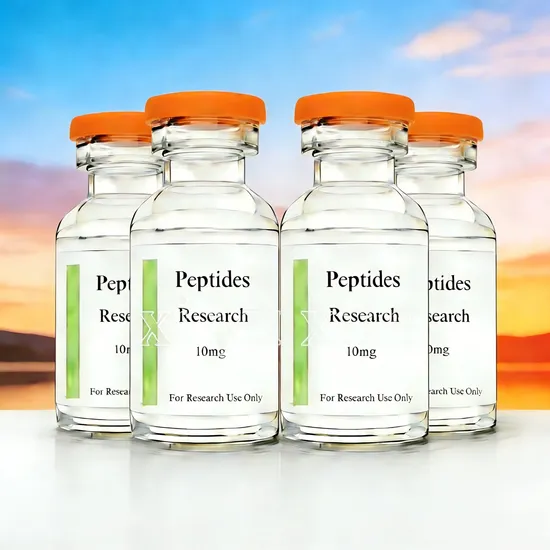
Batch Traceability First — every shipment of NAD+ ships with a lot-specific CoA that names the HPLC and MS conditions used, so your QC team can align methods before the vial is even opened.
Product Specification
| Parameter |
Value |
| Chemical Identity |
NAD+ (Nicotinamide Adenine Dinucleotide) |
| Product Type |
Fine Chemical Intermediate |
| Appearance |
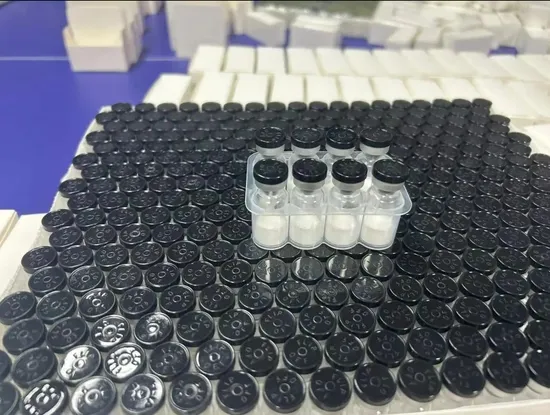
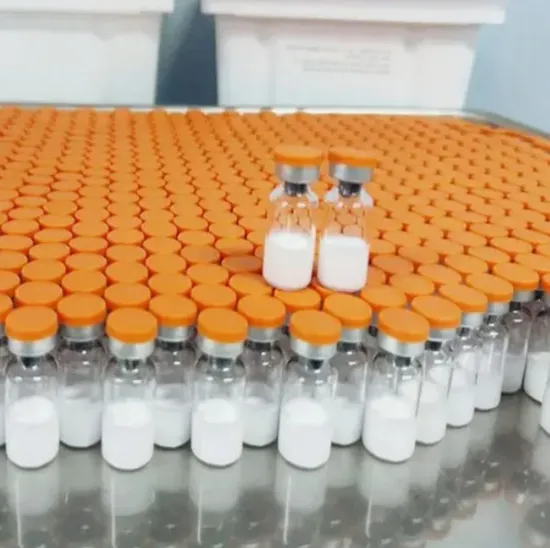
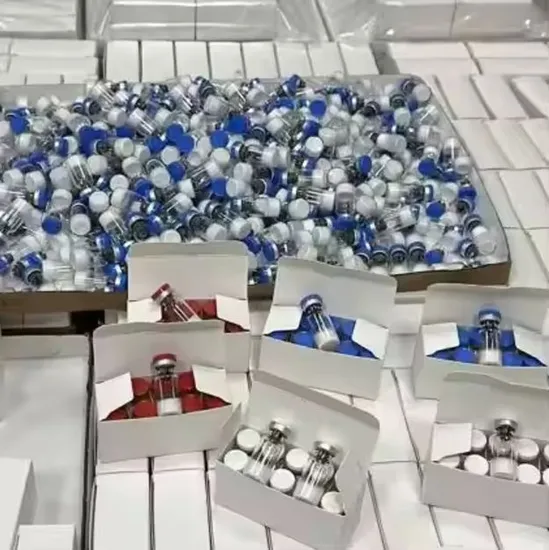
White lyophilized powder |
| Purity |
>99% by HPLC (method parameters stated on batch CoA) |
| Confirmation |
Mass spectrometry (MS) |
| Form |
Lyophilized Powder |
| Specification |
100 mg |
| Production Capacity |
10,000 g/year |
| Storage Temperature |
-20°C, sealed, light-protected |
| Shelf Life |
24 months from production date (lyophilized, stored at -20°C) |
| Reconstitution Stability |
~1 month at 4°C, ~6 months at -20°C (reconstituted) |
| Certification |
GMP, ISO 9001 |
| Origin |
China |
| HS Code |
29371290 |
| Technology |
Chemical Synthesis |
Intended Use
| Use Category |
Notes |
| Laboratory research input |
Supplied as a raw material for biochemical and cellular redox studies |
| Analytical reference material |
Suitable for HPLC and MS method development and system suitability testing |
| In vitro research substrate |
Used in oxidative stress response and cellular energy metabolism assays |
Supplied as a raw material for research and manufacturing use. Not for human or veterinary use. Not a finished product.
Why Two Labs Report Different NAD+ Purity on the Same Batch
A CoA that omits HPLC column, mobile phase, and gradient conditions invites disagreement the moment a second lab re-runs the sample.
I learned this the hard way early in my career. I sent a batch of lyophilized intermediate to a contract QC lab with a CoA that simply stated ">99% purity." Their analysts ran a different C18 column with an altered phosphate buffer ratio, and the chromatogram showed a shoulder peak the original method had fully resolved. We spent weeks aligning method parameters before both labs agreed on the same integration. That experience changed how I handle NAD+ purity HPLC analytical verification: every CoA now locks in the exact column chemistry, flow rate, and detection wavelength. [NEED_CITE: ICH Q2(R1) validation of analytical procedures]
When the analytical method is transparent, disputes disappear. When it is not, procurement teams face rejected shipments, delayed projects, and eroded trust between supplier and buyer.

Method Transparency as the Foundation of Specification Agreement
The stated >99% purity for this NAD+ intermediate is determined by HPLC, with identity confirmed independently by mass spectrometry. Both methods are documented on the batch-specific Certificate of Analysis, including the column type, mobile phase composition, gradient program, and detector settings. This level of detail means your laboratory can reproduce the chromatographic conditions before running their own verification, rather than guessing at parameters that may shift retention times or alter peak integration. NAD+ purity HPLC analytical verification only holds weight when the method is fully disclosed and reproducible across instruments.
Retained Samples and Repeat-Testing Alignment
Every production lot of NAD+ is backed by retained samples stored under the same -20°C, light-protected conditions specified for the shipped material. If your QC team observes a discrepancy during incoming inspection, we can pull the retain and re-run it alongside your data using your laboratory’s method or ours. This side-by-side comparison isolates whether the variance stems from sample degradation, method divergence, or integration differences. Retained samples remain available throughout the 24-month shelf life window, providing a physical reference point for any specification discussion. [NEED_CITE: analytical method transfer between laboratories]
Reading the Specification Beyond the Headline Number
The white lyophilized powder form is chosen for stability: removing bulk water dramatically slows hydrolytic degradation pathways that affect the nicotinamide-ribose bond in NAD+. Storage at -20°C in sealed, light-protected containers preserves the chemical integrity for 24 months from the production date. Once reconstituted, the solution remains stable for approximately one month at 4°C or up to six months when aliquoted and returned to -20°C. The HS Code 29371290 classification applies to this product for customs documentation. The 100 mg specification supports research-scale workflows, while the 10,000 g/year production capacity allows scale-up without changing source. Chemical synthesis ensures batch-to-batch consistency in the impurity profile, which matters when downstream assays are sensitive to trace related substances.
The Hidden Cost of Incomplete Documentation at Customs
A shipment held at port because the Certificate of Origin or safety data sheet does not match the commercial invoice creates costs that compound daily: demurrage fees, delayed project timelines, and the administrative burden of resubmitting corrected paperwork. For NAD+ classified under HS Code 29371290, import authorities in various jurisdictions require consistent documentation across the CoA, MSDS, and customs declaration. When the analytical method is absent from the CoA, some regulatory reviewers flag the document as incomplete, triggering inspection holds. These delays are preventable when documentation is prepared with destination requirements in mind from the outset. [NEED_CITE: import documentation requirements for chemical intermediates]
Why Procurement Teams Source NAD+ Here
Batch-specific Certificates of Analysis accompany every order, each one naming the HPLC and MS methods used for that exact production lot rather than a generic template. Custom synthesis is available when standard catalog specifications do not match your protocol requirements, with scale flexibility from milligram research quantities to bulk supply. Temperature-controlled packing with transit temperature records ensures the -20°C storage condition is maintained from dispatch to delivery. Full import documentation — including Certificate of Origin, MSDS, and destination-specific paperwork — is prepared before the shipment leaves, reducing the risk of customs delays. Technical support on specification interpretation, handling, and storage is provided post-delivery to help your team close out incoming quality checks efficiently.
Documentation & Traceability
- Batch-specific CoA stating HPLC column, mobile phase, and gradient for this NAD+ lot
- Mass spectrometry confirmation report verifying molecular identity per batch
- Safety data sheet aligned with HS Code 29371290 classification
- Certificate of Origin prepared per destination country import requirements
- Analytical method summary enabling your QC lab to replicate test conditions
- Retained sample records linked to production lot for future re-testing
Storage, Handling & Shipping
- Store NAD+ lyophilized powder at -20°C in original sealed, light-protected container
- Limit freeze-thaw cycles after reconstitution; aliquot into single-use volumes at -20°C
- Reconstituted solution stable approximately one month at 4°C, six months at -20°C
- Shipped with temperature-controlled packaging to maintain -20°C condition in transit
- Transit temperature records provided upon delivery to verify cold chain integrity
- PPE required during handling per safety data sheet guidelines for this intermediate
Preparing Your Inquiry for Fast Specification Alignment
When requesting a quotation, include the HPLC or MS method your laboratory uses for incoming verification so we can confirm method alignment before production. Specify the quantity range — whether research-scale 100 mg units or larger bulk requirements — and any documentation your import authority requires beyond the standard CoA and MSDS package. If your protocol demands a particular impurity threshold or residual solvent limit, state those parameters explicitly so the specification can be agreed upon before synthesis begins.
Frequently Asked Questions
Q: How is the Certificate of Analysis linked to the specific NAD+ production batch?
A: Each CoA carries the exact production lot number and is generated from analytical testing performed on that specific batch. The document lists the HPLC and MS conditions used, including column type and mobile phase. This ensures the data corresponds to the material received, not a generic specification sheet pulled from a template.
Q: Which analytical methods verify the stated purity of this NAD+ intermediate?
A: Purity is determined by HPLC with full method parameters disclosed on the CoA, and molecular identity is independently confirmed by mass spectrometry. Both techniques are referenced in the quality control documentation. The specific column chemistry, gradient, and detection wavelength are listed so your lab can replicate the conditions.
Q: What happens if our QC re-test results differ from the supplied CoA?
A: We pull the retained sample from the same production lot and run a parallel analysis. If the discrepancy stems from method differences, we work with your laboratory to align parameters. Should the batch genuinely fall outside specification, an unconditional replacement is issued without requiring a return of the original material.
Q: Are retained samples available for future re-testing or method alignment?
A: Yes. Retained samples from every NAD+ production lot are stored under the same -20°C, sealed, light-protected conditions as the shipped product. These retains remain available throughout the 24-month shelf life and can be used for side-by-side comparison if your laboratory needs to verify results at any point.
Q: What are the validated storage conditions and shelf life for this lyophilized powder?
A: The NAD+ lyophilized powder is stored at -20°C in sealed, light-protected packaging, providing a 24-month shelf life from the production date. After reconstitution, stability is approximately one month at 4°C or six months when aliquoted and stored at -20°C to minimize freeze-thaw degradation.