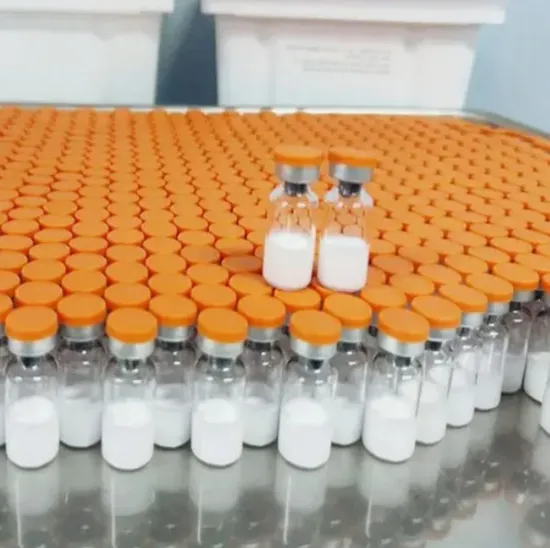
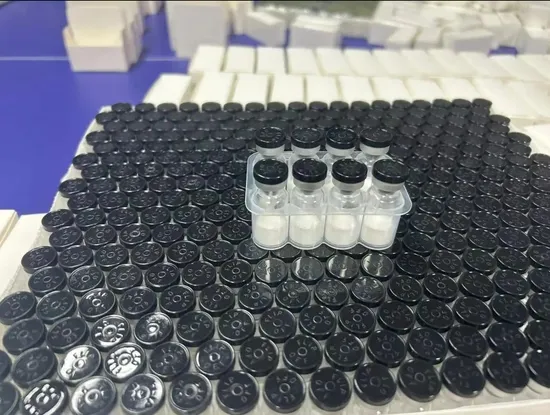
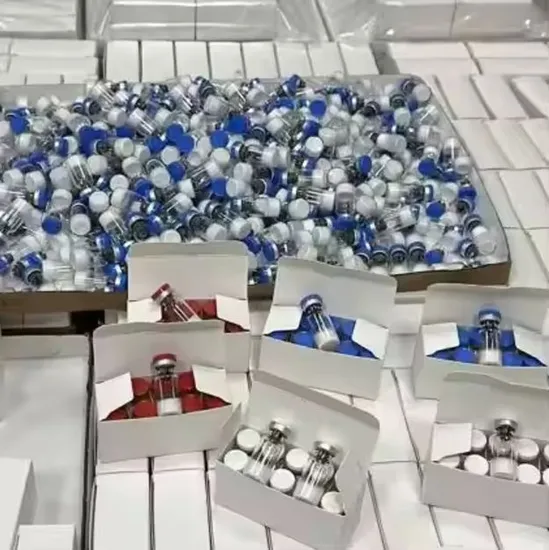
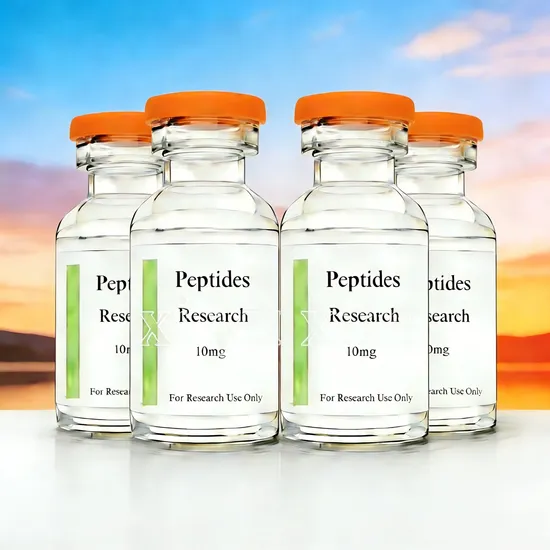
Batch-Specific Analytical Traceability — Every shipped vial of Ss-31 Elamipretide includes a certificate of analysis tied to its exact lot number, with named HPLC conditions and mass spectrometry confirmation so your QC team can replicate the result without guessing parameters.
Product Specification
| Parameter |
Value |
| Chemical Identity |
Ss-31 Elamipretide |
| Product Type |
Peptide Raw Material |
| Appearance |
White Lyophilized Powder |
| Purity |
>99% by Reverse-Phase HPLC with UV Detection |
| Mass Confirmation |
Mass Spectrometry |
| Elemental Analysis |
Included per batch |
| Endotoxin Testing |
Included on each batch |
| Solubility |
Reconstitute in sterile water or buffer to 1–10 mg/mL |
| Storage Temperature |
-20°C, sealed, light-protected (lyophilized) |
| Reconstituted Stability |
4°C up to 1 month; -20°C up to 6 months (aliquoted) |
| Shelf Life |
3 Years (lyophilized, unopened) |
| Packaging |
100mg per bottle |
| Freeze-Thaw Guidance |
Aliquot to avoid repeated freeze-thaw cycles |
| Quality Standards |
GMP, ISO 9001 |
| HS Code |
29371290 |
| Production Capacity |
10,000 g/year (verify against batch certificate) |
Intended Use
| Use Category |
Notes |
| Laboratory Research Input |
Supplied as lyophilized powder for in vitro mitochondrial function and cellular bioenergetics studies |
| Analytical Reference Material |
HPLC and MS data provided for peptide identification and QC method development |
| Synthesis Intermediate |
Suitable as a raw material input for further peptide-based formulation workflows |
Supplied as a raw material for research and manufacturing use. Not for human or veterinary use. Not a finished product.
Why Two Labs Report Different Purity on the Same Ss-31 Elamipretide Batch
The discrepancy almost always traces back to mismatched HPLC conditions, not a flawed batch.
When a buyer’s QC lab re-tests a received lot and the number differs from the supplier’s certificate, the root cause is typically an unreported gradient slope, a different column chemistry, or a UV wavelength that was never specified on the original document. I have spent years reconciling these gaps for organic intermediate peptides across European import channels, and the pattern is consistent: a few tenths of a percent separate two perfectly valid measurements made under slightly different methods. Ss-31 Elamipretide purity HPLC analytical verification only holds meaning when both parties are reading from the same chromatographic playbook. [NEED_CITE: HPLC method validation requirements per ICH guidelines]

Aligning the Chromatographic Method Before Shipment
The certificate of analysis accompanying each lot of Ss-31 Elamipretide states the exact reverse-phase HPLC conditions used—column type, mobile phase gradient, flow rate, and UV detection wavelength. This eliminates the guesswork that leads to purity disputes. When your laboratory receives the material, the method summary document allows your analysts to set up an equivalent system suitability test before running their own verification. Ss-31 Elamipretide purity HPLC analytical verification becomes a reproducible exercise rather than a negotiation.
Endotoxin and Mass Data as Cross-Checks
Purity by HPLC is one dimension. Each batch also ships with mass spectrometry confirmation to verify molecular identity and elemental analysis to flag unexpected counter-ion contributions. Endotoxin testing is performed on every lot to confirm compatibility with cell culture environments. Together, these data points give your QC team multiple independent axes to confirm the material matches what the certificate claims, without relying on a single analytical number. [NEED_CITE: endotoxin limit testing methodology for research-grade peptides]
Reading the Specification Against Your Own Requirements
A specification sheet is only useful if you know which parameters your downstream work actually depends on. For Ss-31 Elamipretide, the key variables are HPLC purity, mass confirmation, residual moisture implied by lyophilized storage, and the counter-ion form that affects net peptide content per milligram weighed. Understanding which of these matter for your specific protocol prevents unnecessary disputes over parameters that have no bearing on your results.
What Incomplete Documentation Costs Beyond the Invoice
A certificate that lists a purity figure without naming the HPLC method creates downstream friction that compounds quickly. Your QC team spends days optimizing conditions to match an unknown method, the procurement cycle stalls while labs exchange emails, and in the worst case the entire lot is rejected because neither side can align their chromatograms. For temperature-sensitive lyophilized peptides stored at -20°C, a missing transit temperature log adds another layer of uncertainty—was the cold chain intact, or did the material sit at ambient long enough for moisture ingress to begin degrading the powder? These are disputes that proper documentation prevents entirely. [NEED_CITE: cold chain packaging standards for temperature-sensitive materials]
Why Procurement Teams Route Ss-31 Elamipretide Through This Quality System
Every lot ships with a batch-specific certificate of analysis that names the HPLC method, gradient, and detection parameters—no generic template reused across unrelated products. Mass spectrometry and elemental analysis reports accompany each vial, giving your lab two independent verification paths beyond chromatography. Retained samples from each production run are held in controlled storage, so if a re-test discrepancy arises months later, the original material is available for side-by-side comparison under aligned conditions. Documentation is prepared per destination import requirements, reducing customs hold-ups that delay research timelines. Custom synthesis from 50 mg upward uses the same analytical framework, so scale-up from a research vial to a bulk order does not mean switching to a different quality standard. Technical support covers method alignment questions, storage protocol optimization, and reconstitution guidance specific to this peptide’s solubility profile.
Documentation & Traceability
- Batch-specific certificate stating the reverse-phase HPLC method and UV wavelength used for this lot
- Mass spectrometry report confirming molecular identity of the shipped Ss-31 Elamipretide vial
- Endotoxin test result included for cell-culture-grade verification
- Elemental analysis data attached to identify counter-ion composition
- Retained sample stored under -20°C conditions for post-delivery dispute resolution
- Import documentation package aligned with destination country customs requirements
Storage, Handling & Shipping
- Store lyophilized Ss-31 Elamipretide at -20°C in original sealed, light-protected container
- Aliquot reconstituted solution before freezing to eliminate repeated freeze-thaw degradation
- Reconstituted material stable at 4°C for up to one month or -20°C for six months when aliquoted
- Temperature-controlled packing with transit logger included in every shipment
- Shipped under HS code 29371290 with certificate of origin and safety data sheet
- Reconstitute in sterile water or buffer at 1–10 mg/mL per batch handling sheet
Structuring Your Ss-31 Elamipretide Inquiry for Faster Turnaround
To move quickly from inquiry to dispatch, share your required analytical method or reference standard so the certificate can be aligned before production. Specify whether you need research-scale quantities or bulk lots, and indicate any destination-specific import documentation your customs broker requires. If your QC lab uses a particular HPLC column or gradient profile for re-verification, providing that upfront allows the method summary to be matched to your equipment.
Frequently Asked Questions
Q: How is the batch-specific certificate linked to each shipped vial?
A: Each vial carries a lot number that corresponds to a unique certificate of analysis generated from that exact production batch. The certificate includes the HPLC chromatogram, mass spectrometry data, and endotoxin result measured on that lot. Retained samples are stored under the same -20°C conditions so the material can be re-examined if questions arise after delivery.
Q: Which analytical methods determine the stated purity?
A: Purity is measured by reverse-phase HPLC with UV detection, and the specific column, gradient, and wavelength are stated on the certificate. Mass spectrometry confirms molecular identity independently. Elemental analysis is also performed. This multi-method approach means Ss-31 Elamipretide purity HPLC analytical verification is supported by orthogonal data rather than a single chromatographic run.
Q: What happens when our lab’s re-test result differs from the supplier certificate?
A: The first step is method alignment—we share the exact HPLC parameters used so your analysts can replicate the conditions. If a discrepancy persists, the retained sample from the same lot can be re-tested in parallel. Most differences trace to column chemistry or gradient variations rather than actual material inconsistency, and method harmonization resolves them quickly.
Q: What is the retained sample policy for post-delivery verification?
A: A portion of every production batch is sealed and stored at -20°C alongside the shipped material. These retained samples remain accessible for re-testing and comparison if your laboratory needs to verify results weeks or months after receipt. This traceability supports audits and resolves specification disputes with physical evidence from the original lot.
Q: How should Ss-31 Elamipretide be stored after reconstitution?
A: Once reconstituted at 1–10 mg/mL in sterile water or buffer, aliquot the solution into single-use volumes and store at -20°C for up to six months. Short-term storage at 4°C is acceptable for up to one month. Avoid repeated freeze-thaw cycles, as each cycle introduces moisture and potential degradation that the lyophilized form does not present.