Batch-Specific Analytical Traceability — Every lot of Melanotan II Mt2 ships with a certificate of analysis that names the exact HPLC column, flow rate, and detection wavelength used, eliminating guesswork when your laboratory repeats the test.
Product Specification
| Parameter |
Value |
| Chemical Identity |
Melanotan II (synthetic peptide analog of α-melanocyte-stimulating hormone) |
| Product Type |
Peptide Raw Material |
| Model NO. |
Mt2, Mt-2 |
| Property |
Protein and Peptide |
| Appearance |
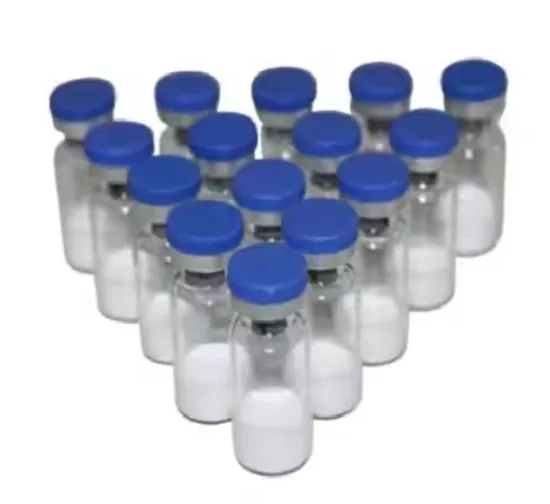
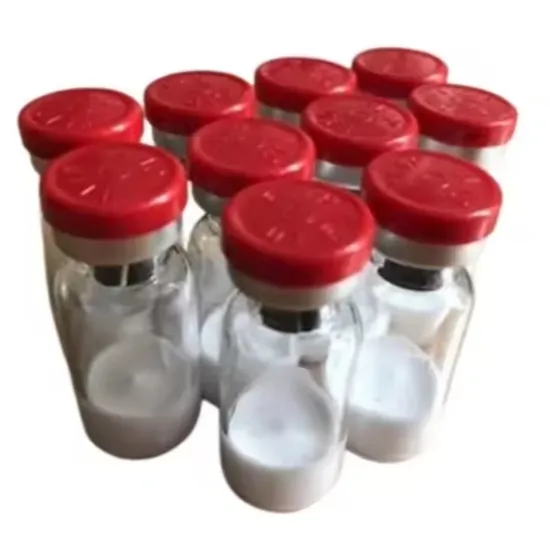
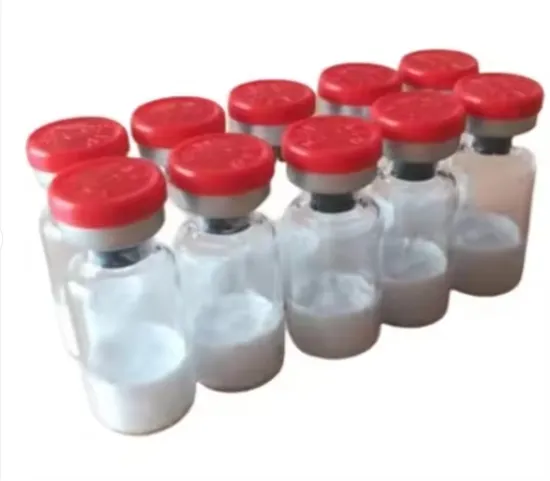
White Lyophilized Powder |
| Purity |
>99% by reverse-phase HPLC (UV detection at 214 nm, C18 column, gradient elution) |
| Identity Confirmation |
Mass spectrometry for molecular weight verification |
| Available Specifications |
5 mg, 10 mg, 15 mg per vial |
| Container Type |
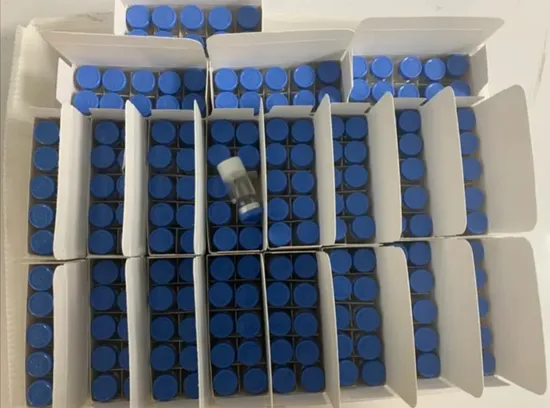
Bottle/Box |
| Storage Temperature |
-20 °C, sealed, light-protected |
| Shelf Life |
24 months from manufacturing date at -20 °C in unopened packaging |
| Reconstituted Stability |
Approximately 6 months at -20 °C; approximately 1 month at 4 °C |
| Reconstitution Guidance |
Sterile water or buffer to 1–10 mg/mL |
| Freeze-Thaw Limit |
Aliquot to avoid repeated freeze-thaw cycles |
| HS Code |
29371290 |
| Quality Standards |
GMP, ISO 9001 |
Intended Use
| Use Category |
Notes |
| Laboratory Research Input |
In vitro studies of receptor pharmacology, intracellular signaling mechanisms, pigmentation pathways |
| Analytical Reference Material |
Peptide QC method development and instrument calibration |
| Biochemistry & Molecular Biology Research |
Raw material for biochemical assays and molecular studies |
Supplied as a raw material for research and manufacturing use. Not for human or veterinary use. Not a finished product.
Why Two Labs Report Different Purity on the Same Melanotan II Mt2 Batch
The discrepancy almost always traces back to mismatched HPLC conditions, not to the material itself.
I have spent years coordinating analytical method alignment between our Guangzhou facility and overseas QC laboratories. One of the most frustrating scenarios is when a buyer receives a certificate stating a purity value but the HPLC parameters behind that number are left unnamed. Their lab runs the sample on a different column, at a different wavelength, with a different gradient profile — and the result comes back several percentage points lower. Neither lab is wrong; they are simply measuring different things. With Melanotan II Mt2 purity HPLC analytical verification, we state the exact stationary phase, mobile phase composition, and UV wavelength on every certificate so your analysts can replicate our conditions from day one. [NEED_CITE: HPLC method validation requirements per ICH guidelines]
Full Method Disclosure on Every Certificate
Each batch-specific certificate of analysis for Melanotan II Mt2 lists the reverse-phase HPLC conditions — C18 column, gradient elution, UV detection at 214 nm — alongside the chromatogram. Mass spectrometry data is included to confirm molecular identity independently. This dual-method approach means that purity and identity are established through orthogonal techniques rather than a single measurement.
Raw Data Files Available for Your Laboratory
Upon request, we provide the original HPLC and MS data files in vendor-native and open formats. Your QC team can reprocess the raw data with their own integration parameters, compare peak assignments, and verify that the reported Melanotan II Mt2 purity HPLC analytical verification result is consistent with the chromatographic evidence. This level of transparency shortens the path from incoming inspection to release.
Method Alignment Before the First Shipment
If your laboratory uses an in-house HPLC method that differs from ours, we can share a method comparison summary before dispatch. Side-by-side testing on retained samples from the same lot helps identify systematic offsets — for example, differences in integration window or gradient slope — so both labs agree on acceptance criteria before material crosses borders. [NEED_CITE: analytical method transfer protocols in peptide quality control]
How Specification Parameters Affect Downstream Work
The choice of analytical method directly shapes the impurity profile you see. A C18 column at 214 nm resolves peptide-related impurities differently than a C8 column at 280 nm, meaning that two certificates can display very different chromatograms for the same vial. Moisture content in a lyophilized powder also matters: if not controlled and reported, the actual peptide mass per milligram of powder shifts, affecting how your lab calculates concentrations for in vitro assays. Storage at -20 °C with light protection is essential because repeated exposure to ambient conditions accelerates oxidation of susceptible residues, generating new peaks that were absent at release. Our specification of 5 mg, 10 mg, and 15 mg vial sizes allows laboratories to aliquot single-use portions, reducing the number of freeze-thaw cycles and preserving chromatographic integrity over the 24-month shelf life. The HS code 29371290 is declared on shipping documents to facilitate customs classification without ambiguity.

The Hidden Cost of Incomplete Documentation
A certificate that omits the analytical method is essentially an unverifiable claim. When a shipment arrives and your QC lab cannot reproduce the stated result, the entire lot sits in quarantine while both parties negotiate testing protocols — sometimes for weeks. In parallel, incomplete import paperwork can hold the same shipment at customs, compounding delays. We have seen situations where a missing certificate of origin or an incomplete safety data sheet stalled clearance long enough that cold-chain integrity could no longer be confirmed, forcing a full rejection. Batch-specific traceability, complete with retained samples stored for five years, provides a fallback: if a dispute arises months later, the original lot can be re-tested and compared against your results. [NEED_CITE: cold chain packaging standards for temperature-sensitive materials]
Why Procurement Teams Source Melanotan II Mt2 Here
Every batch of Melanotan II Mt2 purity HPLC analytical verification is supported by a certificate that names the method — no orphan numbers. Custom synthesis to your sequence and modification is feasible at research and bulk scale from the same production line, so method alignment carries forward as quantities increase. Temperature-controlled packing with transit temperature records ensures that the white lyophilized powder arrives in the same condition it left our facility. Import documentation — including certificate of origin, safety data sheet, and destination-specific paperwork — is prepared before dispatch rather than scrambled after a customs hold. Finally, five-year retained sample storage means that any future question about a delivered lot can be answered with a physical re-test, not just a document review.
Documentation & Traceability
- Batch-specific certificate of analysis stating RP-HPLC conditions (C18, 214 nm, gradient elution) and MS confirmation
- Analytical method summary detailing column, flow rate, and integration parameters for your QC replication
- Raw HPLC chromatogram and mass spectrometry data files supplied on request
- Safety data sheet covering lyophilized powder handling and PPE requirements
- Certificate of origin and destination-specific import documentation prepared before dispatch
- Retained samples stored for five years to enable post-delivery re-testing and dispute resolution
Storage, Handling & Shipping
- Store Melanotan II Mt2 lyophilized powder at -20 °C in sealed, light-protected containers to maintain specification integrity
- Aliquot into single-use portions to avoid repeated freeze-thaw cycles that accelerate degradation
- Reconstituted solutions remain stable for approximately six months at -20 °C or one month at 4 °C
- Temperature-controlled packing with transit records accompanies each shipment of this temperature-sensitive material
- 5 mg, 10 mg, and 15 mg vial sizes support research-scale work without requiring bulk minimums
- HS code 29371290 declared on all commercial invoices for customs classification
Requesting a Quote or Technical Package
To move forward efficiently, share the specification grade and vial size you require, along with the HPLC method your laboratory uses for incoming inspection. If your destination country demands specific import documents — such as a certificate of origin, non-animal origin declaration, or specific safety data sheet format — list those requirements in your inquiry so the documentation package can be assembled before dispatch. For custom synthesis beyond catalogue specifications, provide the target sequence, desired modifications, and required batch quantity so a feasibility review and timeline can be prepared.
Frequently Asked Questions
Q: What analytical method is used to determine the purity stated on the COA?
A: Each batch is tested by reverse-phase HPLC using a C18 column with gradient elution and UV detection at 214 nm. The exact chromatographic conditions — column specification, flow rate, gradient profile, and run time — are printed on the certificate. Mass spectrometry is used independently to confirm molecular identity.
Q: Our QC lab obtained a different purity result than the COA. How is this resolved?
A: Method alignment is the first step. We share our full HPLC parameters so your analysts can replicate them. If your in-house method differs, we can test a retained sample from the same lot using both methods side by side and provide a comparison report that identifies the source of the discrepancy.
Q: How long are retained samples stored and how do I request a re-test?
A: Retained samples from every lot are stored under controlled conditions for five years. If you need a post-delivery re-test or wish to obtain original raw data files that were not included with the initial shipment, contact us with the batch number and we will arrange the analysis or file transfer.
Q: What are the storage conditions and shelf life for the lyophilized powder?
A: Unopened vials are stored at -20 °C, sealed and protected from light, with a shelf life of 24 months from the manufacturing date. After reconstitution, stability is approximately six months at -20 °C or one month at 4 °C. Aliquoting is recommended to minimize freeze-thaw cycles.
Q: What vial sizes are available and is there a minimum order quantity?
A: Melanotan II Mt2 is supplied in 5 mg, 10 mg, and 15 mg vials. Both research-scale and bulk quantities are available from the same production line. Custom synthesis to non-catalogue specifications is also supported; provide your sequence and modification requirements for a feasibility review.