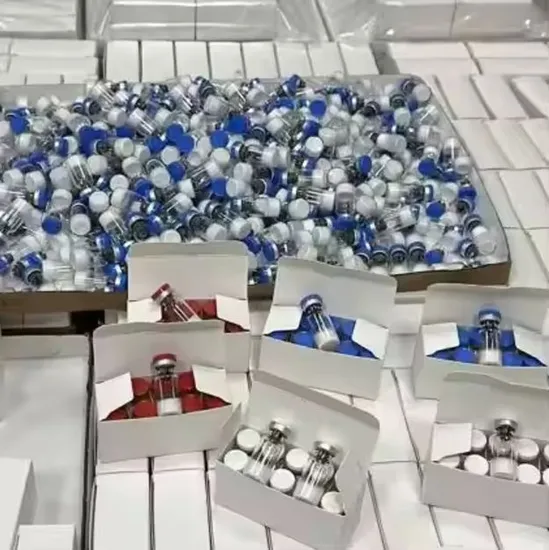
Triple Analytical Verification — every batch ships with HPLC chromatogram, mass spectrometry, and NMR spectrum, enabling your QC lab to confirm identity and purity without requesting additional method documentation.
Product Specification
| Parameter |
Value |
| Chemical Identity |
Ghk-Cu Copper Peptide, CAS 130120-57-7 |
| Product Type |
Peptide Raw Material |
| Category |
Organic Intermediate |
| Appearance |
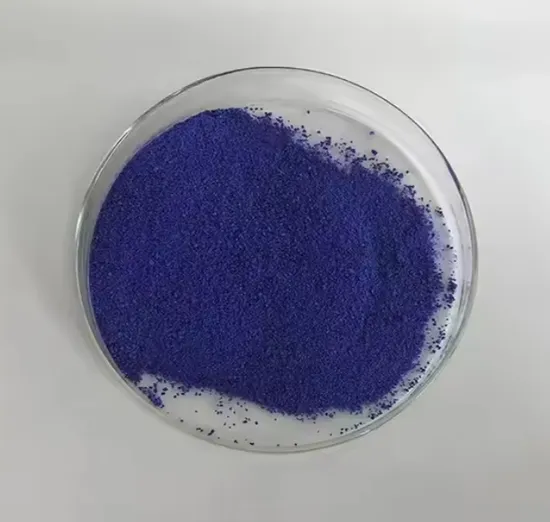
Lyophilized Powder, Blue |
| Purity |
>99% by reversed-phase HPLC (UV detection at 220nm, C18 column, gradient elution) |
| Endotoxin |
<0.1 EU/μg |
| Analytical Verification |
Triple verification — HPLC, MS, NMR |
| Certificate of Analysis |
Batch-specific, includes HPLC chromatograms, mass spectrometry data, NMR spectra |
| Storage Temperature |
-20°C, sealed, light-protected |
| Shelf Life |
24 months from date of manufacture (unopened, -20°C) |
| Packaging Size |
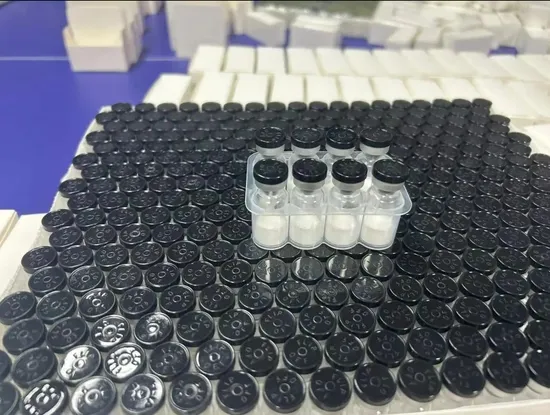
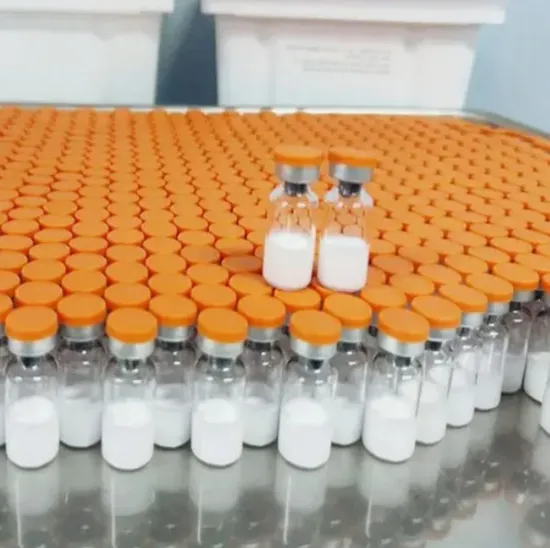
50mg per vial |
| Container Type |
Bottle/Box |
| Reconstitution Solubility |
Sterile water or buffer to 1–10 mg/mL |
| Reconstituted Stability |
Approximately 1 month at 4°C, approximately 6 months at -20°C |
| Custom Synthesis MOQ |
100mg |
| Standards |
GMP, ISO 9001 |
| HS Code |
29371290 |
| Transport Condition |
Temperature-controlled packing with transit records |
Intended Use
| Use Category |
Notes |
| Laboratory research input |
Analytically verified raw material for in vitro studies |
| In vitro dermatological research |
Suitable for fibroblast activity and extracellular matrix component studies |
| Analytical reference material |
Triple-verified identity and purity for method development and validation |
| Cosmetic formulation R&D |
Cosmetic-grade peptide ingredient for personal care laboratory development |
Supplied as a raw material for research and manufacturing use. Not for human or veterinary use. Not a finished product.
Why Your QC Lab Gets a Different Purity Result Than the CoA States
The discrepancy almost always traces back to the analytical method, not the material itself.
When a Certificate of Analysis reports purity without naming the exact chromatographic conditions, the receiving laboratory has no way to replicate those conditions. I have handled cases where a cosmetics raw material buyer re-tested GHK-Cu Copper Peptide using their own HPLC parameters and obtained results that diverged significantly from the supplier’s CoA. The material was fine — the detection wavelength and gradient profile were simply different. [NEED_CITE: HPLC method validation requirements per ICH guidelines] That mismatch consumed weeks of back-and-forth before both labs aligned on conditions. A Ghk-Cu Copper Peptide purity HPLC result is only meaningful when the method is fully documented.

What Triple Verification Means for Your Re-Test Protocol
Identity confirmation for Ghk-Cu Copper Peptide raw material relies on more than a single chromatographic peak. Each batch undergoes reversed-phase HPLC for purity assessment, mass spectrometry for molecular weight confirmation, and NMR spectroscopy for structural elucidation. This three-layer approach means your QC team receives the raw analytical data needed to cross-reference their own findings. When all three techniques converge on the same conclusion, the probability of a false specification pass drops substantially.
Aligning Methods Before the Shipment Arrives
The most efficient way to prevent a re-testing dispute is to exchange method documentation before the material ships. Our analytical method summary specifies the column chemistry, mobile phase composition, gradient timeline, flow rate, and detection parameters used for that exact batch. Your laboratory can then decide whether to adopt those conditions directly or submit their own method for a side-by-side comparison against retained samples. This pre-emptive alignment eliminates the most common source of incoming inspection failure. [NEED_CITE: analytical method transfer protocols for peptide raw materials]
How Specification Parameters Affect Downstream Work
The blue coloration of this lyophilized powder serves as a rapid visual check for proper copper complex formation — if the color is absent or off-tone, the batch warrants instrumental investigation before any downstream use. Endotoxin levels below 0.1 EU/μg are essential when the material feeds into cell culture systems, where even trace endotoxin contamination can confound fibroblast signaling studies. The stated storage temperature of -20°C with light protection directly limits oxidative degradation pathways that alter the peptide backbone over time. Repeated freeze-thaw cycles of reconstituted solution accelerate copper dissociation and peptide hydrolysis, which is why the reconstituted stability window narrows considerably at higher temperatures. Packaging in 50mg vials supports single-aliquot workflows, reducing the contamination risk associated with repeated vessel entry. Batch-specific retained samples allow retrospective testing if a downstream result raises a specification question weeks after delivery.
The Hidden Cost of Incomplete Documentation at Customs
A shipment held at the port of entry because the Certificate of Origin is missing or the HS Code does not match the declared chemical description generates demurrage charges and disrupts project timelines. [NEED_CITE: customs documentation requirements for peptide raw material imports] We have seen consignments delayed for weeks because the safety data sheet listed a different synonym than the one customs expected. Every document package for Ghk-Cu Copper Peptide is assembled to match the destination country’s import requirements, with the HS Code 29371290, Certificate of Origin, and batch-specific CoA cross-referenced for consistency before the parcel leaves the facility.
Why Procurement Teams Source This Material Here
Batch-specific Certificates of Analysis name the exact HPLC conditions, MS ionization mode, and NMR solvent and frequency used — no generic template carried forward from a previous lot. Custom synthesis to your supplied sequence and modification is available starting at 100mg, with scale-up from research to bulk quantities sourced from the same production line. Temperature-controlled packing includes a transit temperature record, so you can verify that the cold chain remained intact from dispatch to receipt. Import documentation is prepared per your destination’s regulatory framework, reducing the risk of customs hold. Retained samples from every production batch are archived, enabling re-testing or third-party arbitration if a specification question arises after delivery. Technical support on specification interpretation, handling, and storage is available directly from the analytical team that produced the documentation.
Documentation & Traceability
- Batch-specific CoA stating the RP-HPLC method, column type, and detection wavelength for this lot
- Mass spectrometry data confirming molecular weight of the copper-peptide complex
- NMR spectrum verifying tripeptide backbone structure and copper coordination environment
- Safety data sheet aligned with HS Code 29371290 classification
- Certificate of Origin and import paperwork matched to destination country requirements
- Cold-chain packing record with continuous temperature logging from dispatch to delivery
Storage, Handling & Shipping
- Store lyophilized powder at -20°C in the original sealed, light-protected bottle
- Minimize freeze-thaw cycles of reconstituted solution to preserve copper complex integrity
- Aliquot reconstituted material into single-use volumes at 1–10 mg/mL before freezing
- Reconstituted solution remains stable approximately one month at 4°C or six months at -20°C
- Shipped in temperature-controlled packaging with an enclosed transit temperature record
- Cold chain maintained from facility to destination with continuous data logging
What to Include in Your Inquiry
To expedite specification alignment, provide the analytical method your QC laboratory uses for peptide purity testing, along with your required documentation list for import clearance in your country. Specify the batch quantity and whether you need retained samples for future reference. If your project requires a custom modification or non-standard counter-ion form, include the target sequence and any structural constraints so feasibility can be assessed before quotation.
Frequently Asked Questions
Q: How is the purity of Ghk-Cu Copper Peptide determined, and what HPLC conditions appear on the CoA?
A: Purity is assessed by reversed-phase HPLC with UV detection at 220nm using a C18 column under gradient elution. The batch-specific Certificate of Analysis lists the exact mobile phase composition, gradient timeline, flow rate, and column dimensions so your laboratory can replicate or cross-validate the method without requesting supplementary information.
Q: My QC lab’s re-test result differs from the supplied CoA — how is this resolved?
A: Method alignment is the most common cause of divergent results. We provide the full analytical method summary for your batch and can test your laboratory’s method parameters against our retained sample. This side-by-side comparison typically identifies the specific chromatographic condition responsible for the discrepancy and enables both labs to converge on a shared protocol.
Q: What raw analytical data ships with each order?
A: Every shipment includes the HPLC chromatogram, mass spectrometry spectrum, and NMR spectrum for that specific batch. Additional data — such as amino acid analysis or elemental composition results — can be requested if your quality system requires supplementary verification beyond the standard triple-analysis package.
Q: What are the storage and shelf-life specifications?
A: The lyophilized blue powder carries a 24-month shelf life from the date of manufacture when stored unopened at -20°C, sealed and light-protected. Once reconstituted in sterile water or buffer, the solution is stable for approximately one month at 4°C or approximately six months when stored at -20°C in single-use aliquots.
Q: Can import documentation be tailored to our country’s customs requirements?
A: Yes. The standard documentation package includes the Certificate of Analysis, safety data sheet, Certificate of Origin, and HS Code 29371290 declaration. We adjust document wording, nomenclature, and format to align with the specific import regulations of your destination country before the shipment is dispatched.