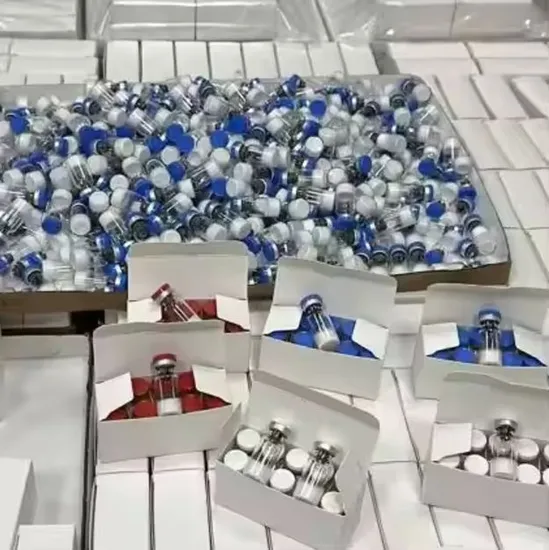
Method Transparency — Every Selank batch is released with a CoA that names the exact HPLC column, mobile phase, and gradient used, so your QC lab can repeat the assay without guessing.
Product Specification
| Parameter |
Value |
| Chemical Identity |
Selank |
| Product Type |
Peptide Raw Material |
| Category |
Organic Intermediate |
| Purity |
>99% by HPLC and MS |
| Form |
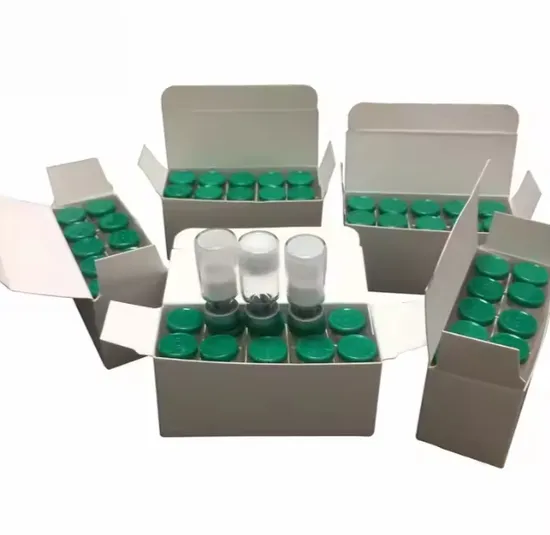
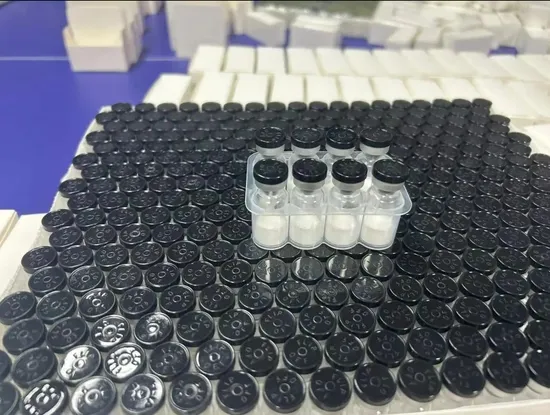
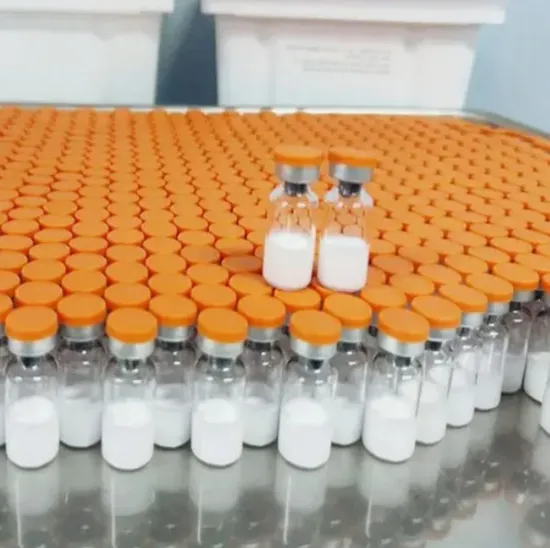
Lyophilized Powder |
| Specification |
10 mg/vial |
| Appearance |
White |
| Storage Temperature |
−20 °C, sealed, light-protected |
| Shelf Life |
24 months from manufacturing date (lyophilized, −20 °C, sealed, light-protected) |
| Packaging |
10 mg/vial |
| Certification |
GMP, ISO 9001 |
| HS Code |
29371290 |
Intended Use
| Use Category |
Notes |
| Laboratory research input |
Supplied as lyophilized powder for in vitro assay development |
| Neuroscience and psychopharmacology research |
Compatible with cell-based and receptor-binding study protocols |
| Analytical reference |
Purity verified by HPLC and MS; suitable for method validation |
| Preclinical research models |
Raw material for formulation feasibility and stability studies |
Supplied as a raw material for research and manufacturing use. Not for human or veterinary use. Not a finished product.
What a Certificate Cannot Tell You Without the Method
A purity number without a named analytical method is an unverifiable claim.
I have watched procurement teams accept a peptide shipment based on a CoA that stated a single purity figure, only to discover during internal re-testing that the result was produced on a C18 column with a completely different gradient than what their own QC lab runs. The two numbers diverged enough to halt the entire project. With Selank peptide purity HPLC verification, we document the exact column chemistry, flow rate, and detection wavelength on every batch certificate so the receiving laboratory can align its method before the first injection [NEED_CITE: HPLC method validation requirements per ICH guidelines].

How Method Alignment Prevents Purity Discrepancies
Purity values for Selank are determined by reversed-phase HPLC with mass spectrometry confirmation, and both methods are named on the batch-specific certificate. When a buyer’s QC team receives the raw HPLC and MS data package, they can compare peak integration parameters, retention times, and ion masses against their own system suitability standards. This side-by-side review eliminates the most common source of disagreement between supplier and receiver reports.
Full Chromatogram Access for Independent Verification
Beyond the summary figures on the CoA, raw chromatogram files and mass spectra are available on request for every Selank lot. This level of Selank peptide purity HPLC transparency allows analytical laboratories to inspect baseline noise, minor peaks, and integration boundaries directly. If the buyer’s method uses a different column brand or mobile-phase modifier, having the original data accelerates method transfer and reduces the number of trial injections needed.
Specification Interpretation for Downstream Workflows
The >99% purity by HPLC and MS figure reflects the area-percent of the main peak under defined gradient conditions. For research groups developing their own analytical protocols, understanding that this value was obtained on a specific C18 stationary phase with acetonitrile-water mobile phase helps predict how the peptide will behave on alternative columns. The lyophilized powder form, stored at −20 °C in sealed, light-protected vials, minimizes moisture uptake that could otherwise shift retention times or broaden peaks during re-analysis. Residual solvent and water content, if left uncontrolled, can alter the apparent peptide concentration when weighed for stock solutions, introducing systematic error into every downstream assay [NEED_CITE: impact of residual moisture on peptide quantification accuracy]. Maintaining the recommended storage conditions and limiting freeze-thaw cycles of reconstituted solutions preserves the integrity of the specification throughout the 24-month shelf life.
The Hidden Cost of Incomplete Analytical Documentation
When a shipment arrives with a CoA that omits the analytical method, the receiving laboratory must invest time and solvent to develop or transfer a suitable assay before the material can be released. If the re-test result does not match the supplier’s figure and no original chromatograms are available for comparison, the dispute can escalate into a full batch rejection, delaying research timelines by weeks. Cold-chain breaks compound the problem: a temperature logger that stopped recording mid-transit provides no evidence that the −20 °C storage requirement was maintained, giving the buyer legitimate grounds to reject an otherwise intact vial [NEED_CITE: cold chain packaging standards for temperature-sensitive materials].
Why Source Selank Through This Verification Pipeline
Every Selank lot ships with a batch-specific certificate of analysis that names the HPLC and MS methods used, not just a generic purity statement. Retained samples from each production run are archived under controlled conditions, enabling re-testing if the buyer’s result diverges. Our analytical method summary includes column dimensions, gradient profile, and detection parameters so your QC team can replicate the separation without starting from scratch. Temperature-controlled packing with redundant data loggers ensures the cold chain remains unbroken from dispatch to delivery, and transit records are supplied with every shipment. Import documentation is prepared per destination-country requirements, reducing customs hold risk for international research laboratories.
Documentation & Traceability
- Batch-specific CoA stating HPLC column, gradient, and MS conditions for this Selank lot
- Raw chromatogram and mass spectrum files available in open-format exports
- Analytical method summary with column dimensions, flow rate, and wavelength
- Certificate of origin and HS 29371290 classification for customs clearance
- Retained sample from each production batch stored at −20 °C for dispute re-testing
- Safety data sheet covering handling, storage, and transport classification
Storage, Handling & Shipping
- Store Selank lyophilized powder at −20 °C in the original sealed, light-protected vial
- Avoid repeated freeze-thaw cycles; aliquot reconstituted solutions before refreezing
- Reconstituted solutions remain stable approximately one month at 4 °C, six months at −20 °C
- Shipments dispatched in insulated cold-chain packaging with redundant temperature loggers
- Transit temperature records included with every delivery for cold-chain verification
- Import documentation package prepared per destination-country regulatory requirements
Requesting an Analytical Documentation Preview
To align specifications before ordering, provide your target purity threshold, the HPLC method your QC lab uses, and any specific documentation your institution requires for import clearance. If your laboratory needs raw data files in a particular format for method transfer, note that in the initial inquiry so we can confirm compatibility before dispatch.
Frequently Asked Questions
Q: How is the >99% purity of Selank verified and which analytical methods are named on the CoA?
A: Purity is determined by reversed-phase HPLC and confirmed by mass spectrometry. The batch-specific certificate names the column type, mobile-phase composition, gradient profile, flow rate, and detection wavelength used for that lot, enabling your QC laboratory to replicate the exact conditions.
Q: What documentation is included with each Selank shipment?
A: Every shipment contains a batch-specific CoA with named analytical methods, a mass spectrometry confirmation report, a safety data sheet, and a cold-chain packing record. Raw chromatogram and mass spectrum files are available in open formats on request for independent method validation.
Q: How do you handle a situation where the buyer’s re-test result differs from the supplied CoA?
A: Retained samples from every Selank production batch are stored at −20 °C under the same conditions as the shipped material. If a discrepancy arises, we provide the original raw data files and, if needed, re-test the retained sample using both our method and the buyer’s method to identify the source of divergence.
Q: Can raw HPLC and MS data be provided for independent method validation?
A: Yes. Raw chromatogram and mass spectrum files for each Selank lot are exported in open formats compatible with major chromatography data systems. This allows the buyer’s analytical laboratory to inspect integration boundaries, baseline noise, and minor peaks without re-running the sample.